← Explore the cityBRATSK / PEOPLE & PLACES

Bratsk Airport.

From a riverside dirt strip to the air gateway of an industrial city: aircraft, people and changing connections.

Before the large airport

The operator traces an early landing-ground decision to September 1941. That initiative and the present airport belong to different stages. During the great construction project, air links served settlements whose land transport was still developing. Aircraft could connect a remote location with the regional capital, although they could not replace roads and railways altogether.

A riverside airfield with a dirt runway opened in June 1956. It handled Po-2, Yak-12 and An-2 aircraft; regular service to Irkutsk followed in September. Small aircraft suited this early phase, when establishing a connection and carrying out local tasks mattered most. These types describe a historical fleet, rather than today’s timetable.

The route changed the growing city’s relationship with distance. A passenger’s journey depended not only on kilometres but on service availability, weather and airfield facilities. Behind a brief “first flight” entry lay the creation of ground operations, passenger handling and aircraft support. The opening of a route should therefore be read as an institutional development as well as an arrival on a map.
A new site, runway and terminal

Reservoir filling changed the fate of the old site. The new airport’s history is associated with the creation of the Bratsk combined aviation detachment in July 1964. Relocation formed part of a wider transformation of shorelines, roads and residential areas. An airfield needed land suited to further aviation development.

An artificial runway 1,200 metres long followed in 1965. The range of aircraft expanded: the operator names the An-10, followed from 1967 by the An-12, An-24 and Il-18. These types represent different passenger and freight roles. Listing them does not mean they shared a timetable or served identical destinations.

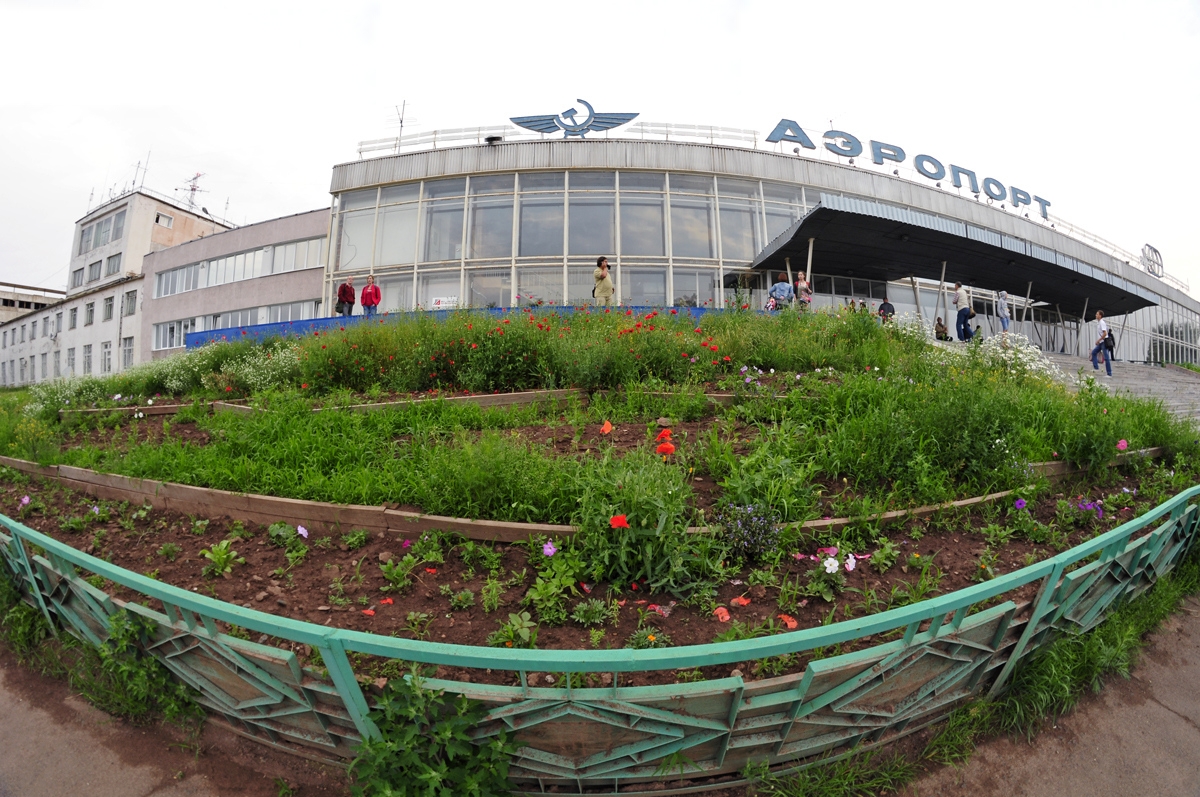
A terminal designed for 200 passengers per hour opened in 1969. Runway and terminal serve different parts of a journey and have separate opening dates. Passengers per hour cannot be compared directly with runway length or aircraft seating. Together the measures describe an airport, but none substitutes for the others. Reading those milestones separately makes the transition from an early airfield to a larger transport institution easier to understand.

Photographed 12 July 2012. Bratsk Airport. A later view, rather than a construction-era image.
2012

Bratsk Airport

Photographed 12 July 2012. Bratsk Airport. A later view, rather than a construction-era image.

Dmitry Petrov · Wikimedia Commons
CC BY-SA 3.0 · Original ↗

The jet age and Moscow connections

The first Yak-40 landed at Bratsk on 17 July 1970. The small jet became a recognisable part of regional aviation. New equipment supported connections with other Siberian centres, while flights remained part of a wider organisation that included ground handling and maintenance.

Tu-104 services linked Bratsk, Irkutsk and Moscow from 1972. The Tu-154 and a direct capital connection followed in 1973. A route with an intermediate stop and a direct flight are different developments: naming the final destination does not explain the passenger’s entire journey.

Aviation served more than holidays and business travel. It also connected remote areas and supported medical and forestry work. Passenger and employee recollections can add the everyday experience behind an equipment chronology: reaching a flight, waiting for weather or meeting relatives. Individual stories need an author and a date, rather than treating a general image of a Soviet airport as an established fact about Bratsk. The aircraft chronology provides a framework into which such first-person accounts can be placed.

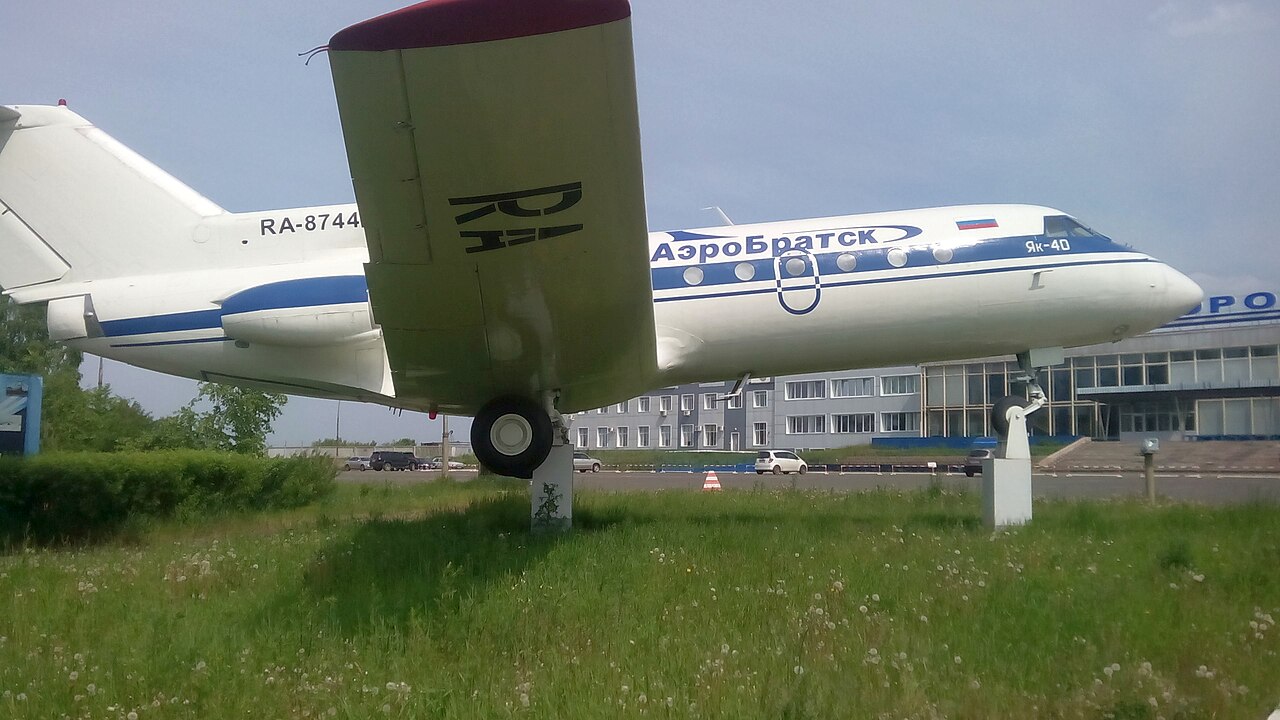
22 June 2016. The aircraft monument outside the airport terminal, photographed after installation.
2016

Yak-40 outside the terminal

22 June 2016. The aircraft monument outside the airport terminal, photographed after installation.

Majskij · Wikimedia Commons
CC BY-SA 4.0 · Original ↗

The airport after 1991

The airport continued beyond the chronology’s main 1991 boundary. A new runway measuring 3,160 by 60 metres appeared in 1995, when the airport also acquired international status. Those specifications describe a later stage, rather than the capabilities of the 1956 airfield.

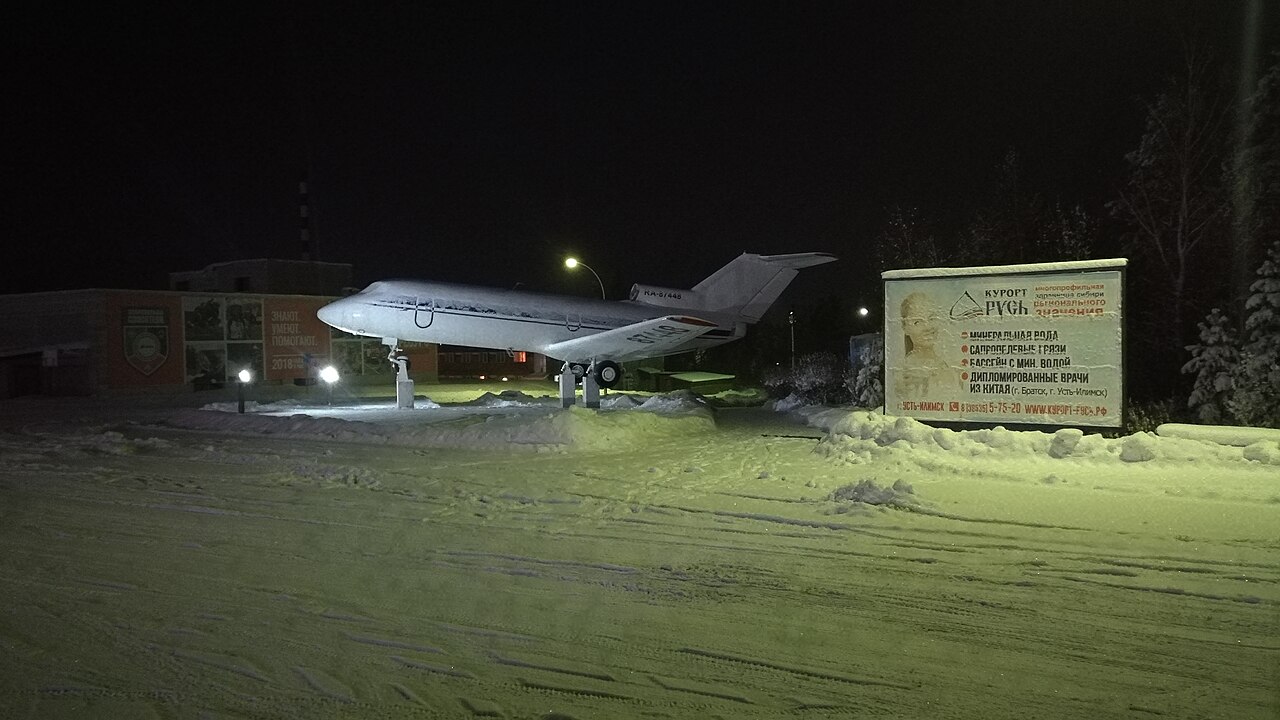
Yak-40 RA-87448 was placed on a pedestal outside the terminal in June 2014. According to the operator, the aircraft was manufactured in 1974 and worked at Bratsk from 1980. The monument recalls regional jet aviation. Its installation date and operating years are separate facts: a contemporary photograph of the monument is not an image of a 1970s flight.

Travellers should consult the airport and airline websites for their journey dates. Routes, check-in times and services change. This page preserves a historical account and links to current operators; it does not freeze a changing timetable into a permanent historical reference. That distinction is particularly useful when an old aircraft photograph appears beside present-day travel information.

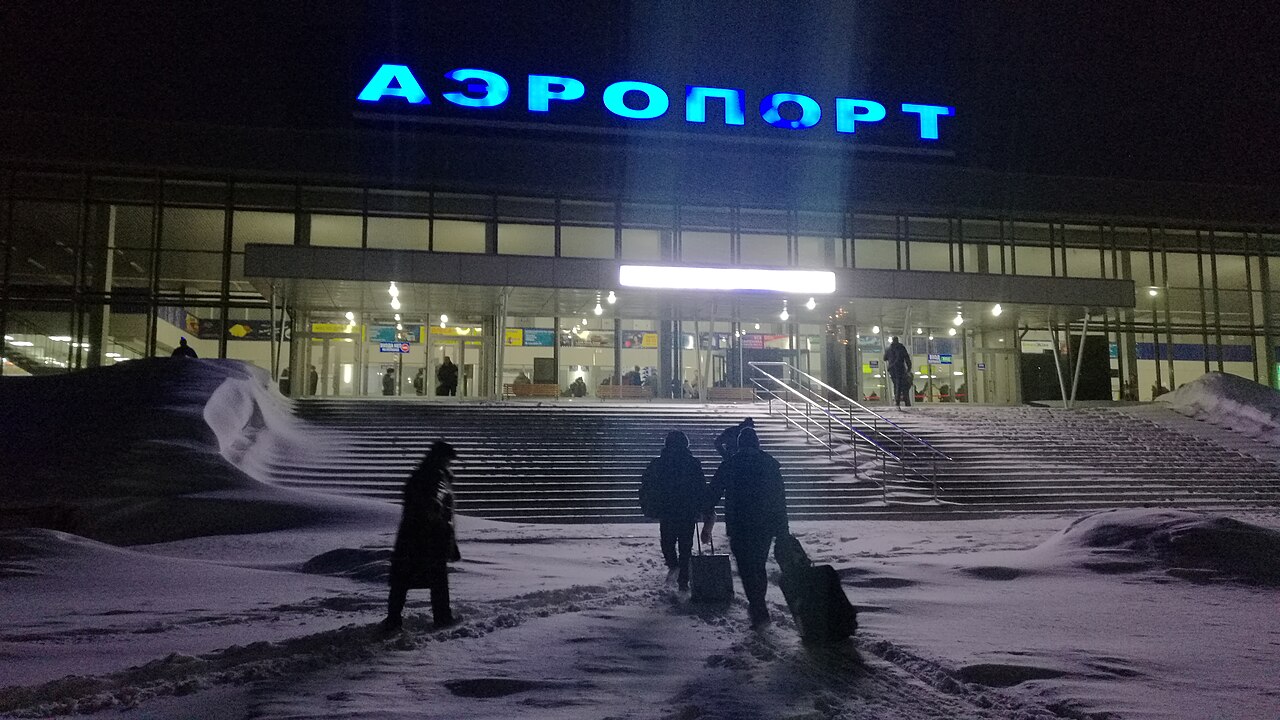
Photographed 16 December 2018, 08:34:24. Bratsk Airport. A later view, rather than a construction-era image.
2018

Bratsk Airport

Photographed 16 December 2018, 08:34:24. Bratsk Airport. A later view, rather than a construction-era image.

RG72 · Wikimedia Commons
CC BY-SA 4.0 · Original ↗

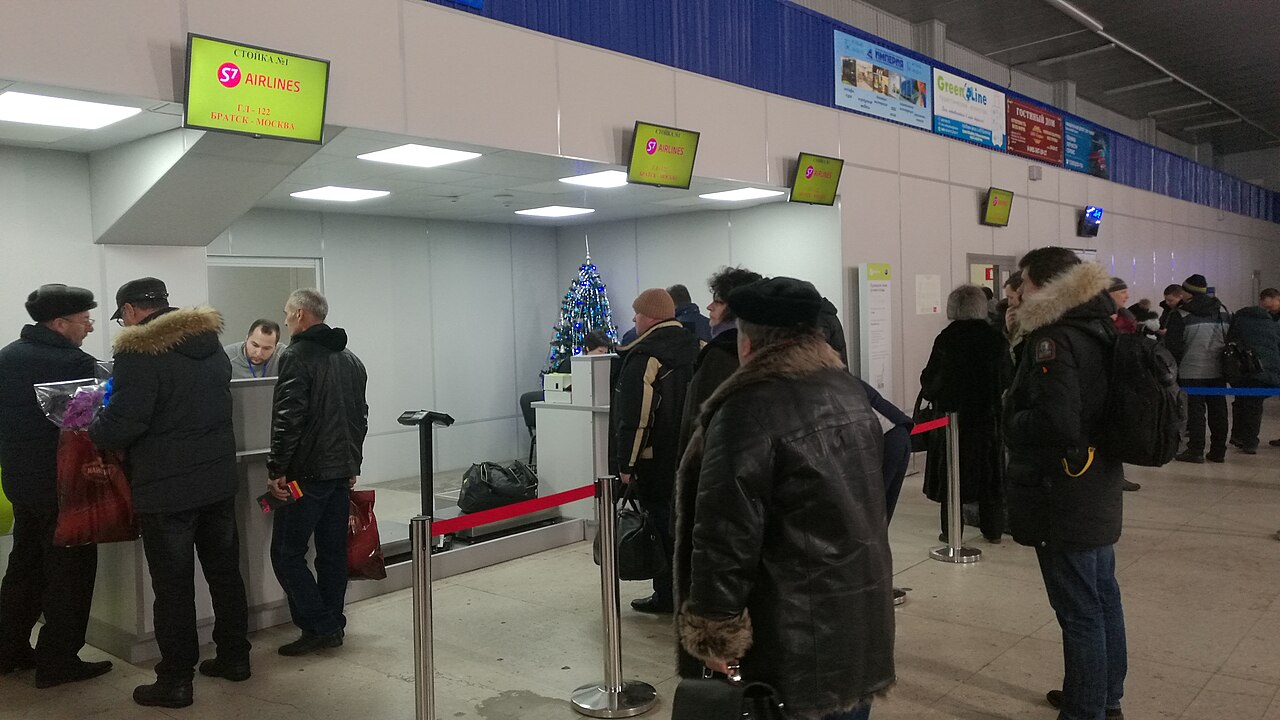
Photographed 2018-12-16 08:36:20. Bratsk Airport. A later view, rather than a construction-era image.
2018

Bratsk Airport

Photographed 2018-12-16 08:36:20. Bratsk Airport. A later view, rather than a construction-era image.

RG72 · Wikimedia Commons
CC BY-SA 4.0 · Original ↗

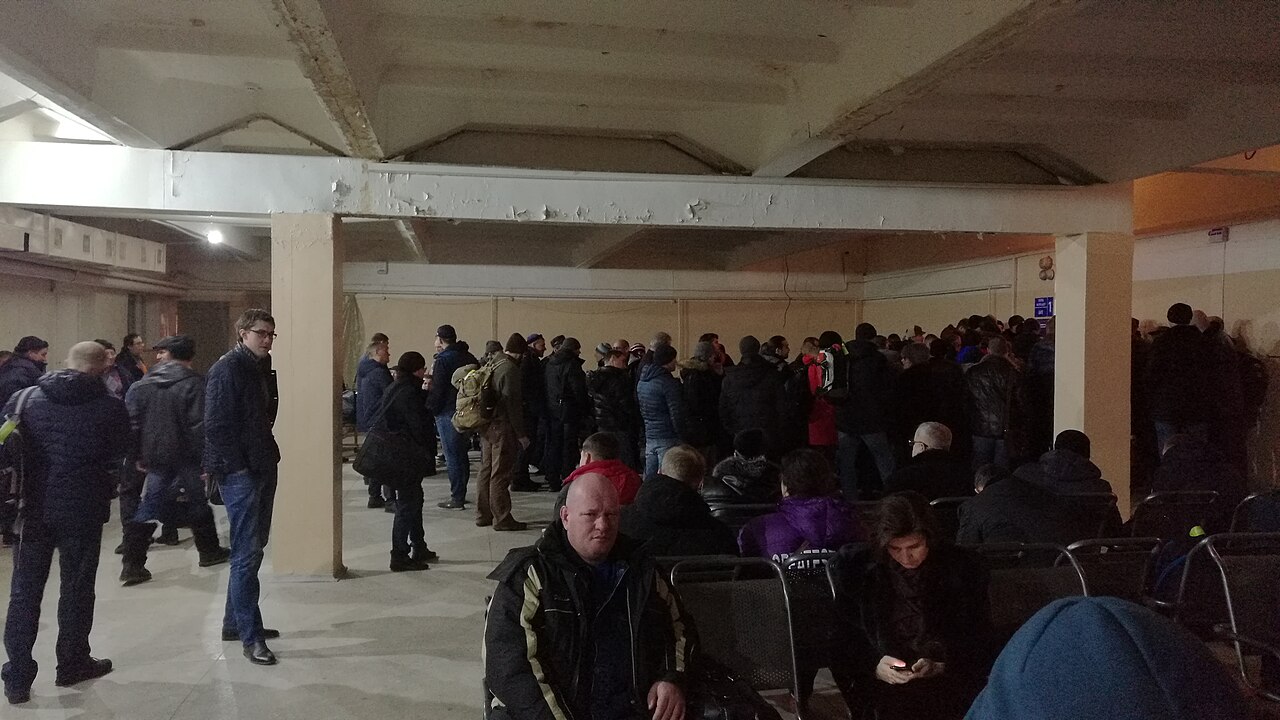
Photographed 2018-12-16 08:36:37. Bratsk Airport. A later view, rather than a construction-era image.
2018

Bratsk Airport

Photographed 2018-12-16 08:36:37. Bratsk Airport. A later view, rather than a construction-era image.

RG72 · Wikimedia Commons
CC BY-SA 4.0 · Original ↗

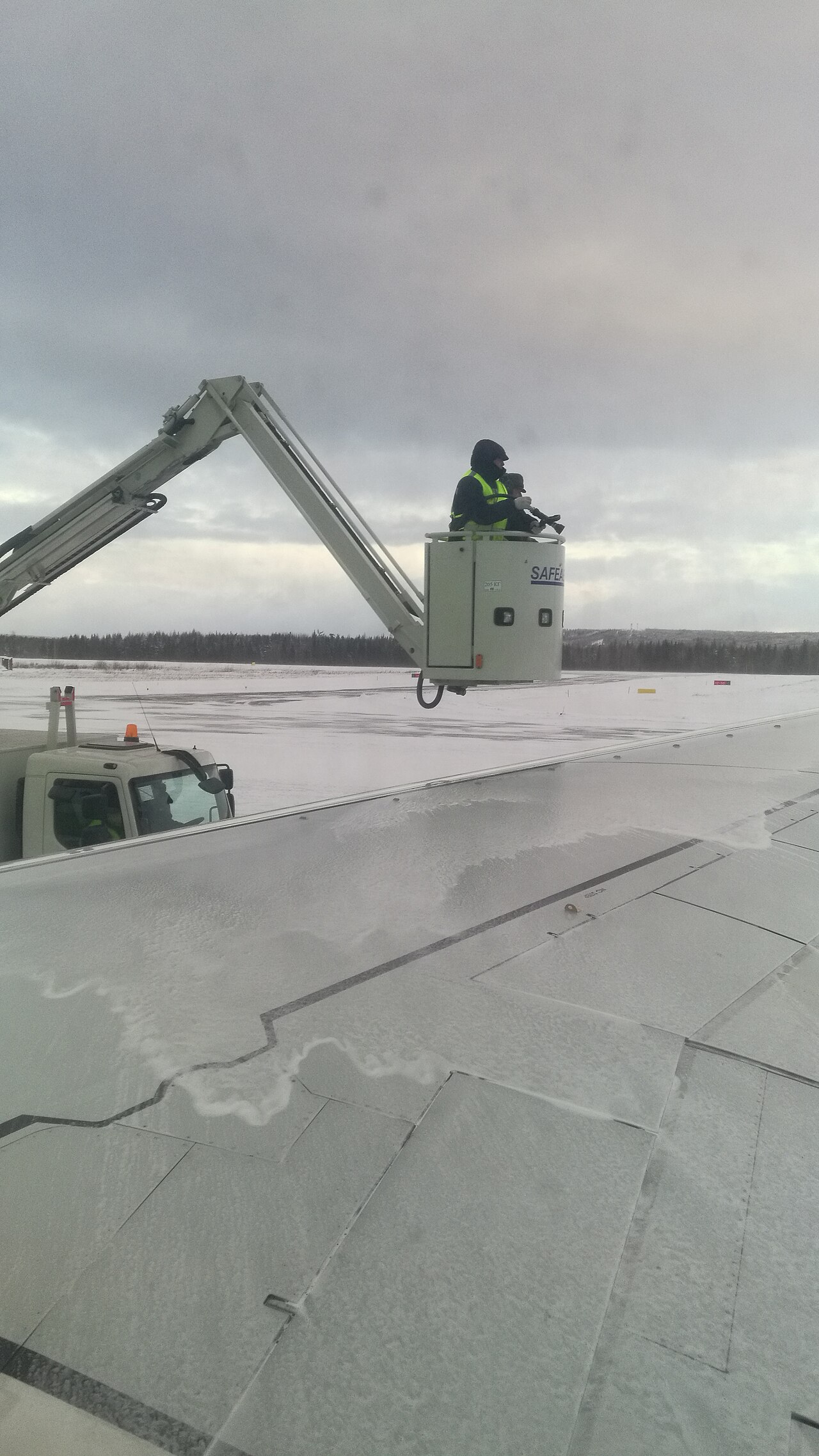
Photographed 2018-12-16 09:06:07. Bratsk Airport. A later view, rather than a construction-era image.
2018

Bratsk Airport

Photographed 2018-12-16 09:06:07. Bratsk Airport. A later view, rather than a construction-era image.

RG72 · Wikimedia Commons
CC BY-SA 4.0 · Original ↗

Photographed 2018-12-16 09:58:19. Bratsk Airport. A later view, rather than a construction-era image.
2018

Bratsk Airport

Photographed 2018-12-16 09:58:19. Bratsk Airport. A later view, rather than a construction-era image.

RG72 · Wikimedia Commons
CC BY-SA 4.0 · Original ↗

Photographed 2018-12-15 08:30:24. Bratsk Airport. A later view, rather than a construction-era image.
2018

Bratsk Airport

Photographed 2018-12-15 08:30:24. Bratsk Airport. A later view, rather than a construction-era image.

RG72 · Wikimedia Commons
CC BY-SA 4.0 · Original ↗

Photographed 2018-12-15 08:27:09. Bratsk Airport. A later view, rather than a construction-era image.
2018

Bratsk Airport

Photographed 2018-12-15 08:27:09. Bratsk Airport. A later view, rather than a construction-era image.

RG72 · Wikimedia Commons
CC BY-SA 4.0 · Original ↗

Photographed 2018-12-15 08:22:39. Bratsk Airport. A later view, rather than a construction-era image.
2018

Bratsk Airport

Photographed 2018-12-15 08:22:39. Bratsk Airport. A later view, rather than a construction-era image.

RG72 · Wikimedia Commons
CC BY-SA 4.0 · Original ↗

Photographed 2018-12-15 08:17:37. Bratsk Airport. A later view, rather than a construction-era image.
2018

Bratsk Airport

Photographed 2018-12-15 08:17:37. Bratsk Airport. A later view, rather than a construction-era image.

RG72 · Wikimedia Commons
CC BY-SA 4.0 · Original ↗

Useful links

Official airport website ↗

Sources & further reading

Checked on 18 October 2026. The main chronology ends in 1991; later events and photographs carry their own dates.