
← Explore the city
BRATSK / PEOPLE & PLACES

Crime & the city.

Major cases, court records and remembrance: a history of crime without romanticising it or repeating urban legends.

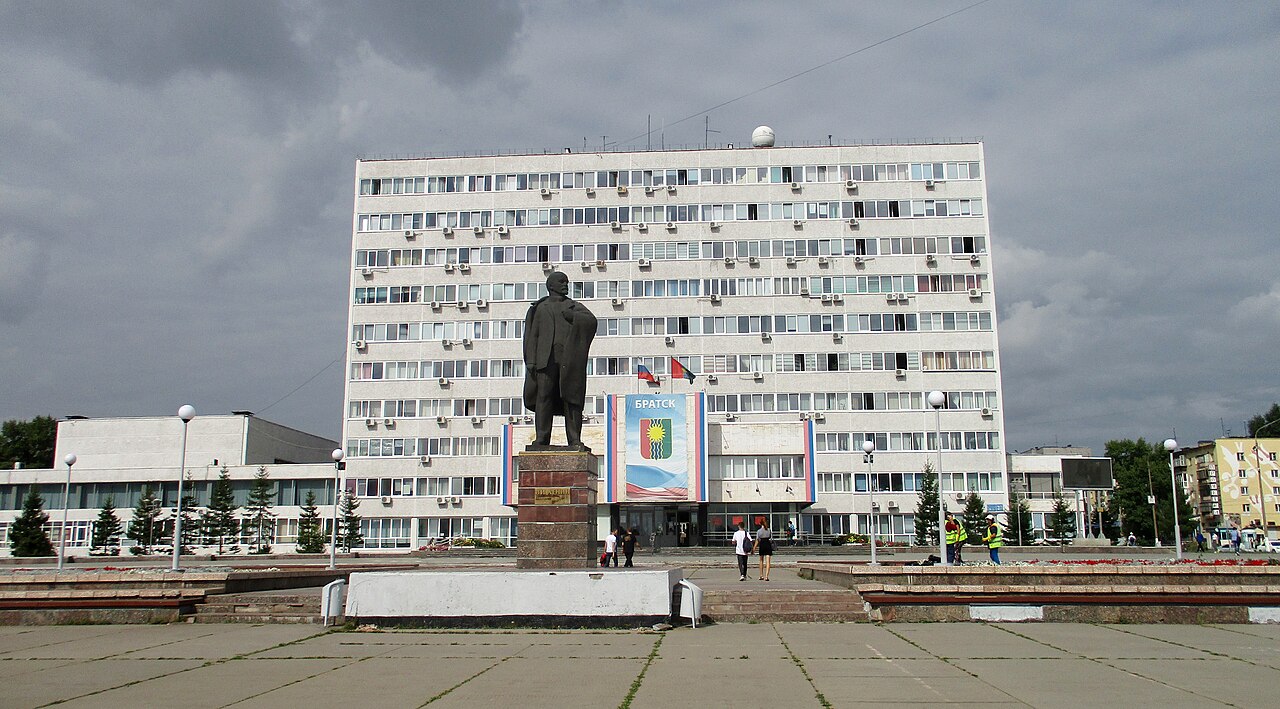
17 August 2021. City administration building in the Central residential area.
2021City Hall, Centre

Andrijko Z. ↗ · CC BY-SA 4.0

How crime became part of the city’s public image

In the 1990s, Bratsk frequently appeared in news about organised crime. Those reports concerned crimes and victims’ lives, but press notoriety provides no statistical basis for calling it the “most criminal” city.

Groups described by the press as “Bratsk” operated in several regions. The location of each crime and the responsibility of individual participants are established separately.
Sources

The killing of Alexander Sinitsyn

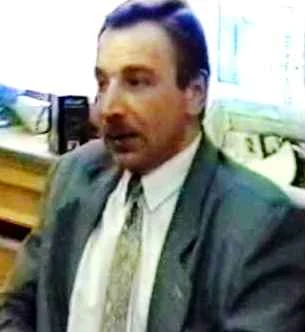
Alexander Sinitsyn, Bratsk’s first deputy prosecutor, was murdered on 5 January 1999. In May 2011, regional newspapers reported guilty verdicts against eight defendants, more than twelve years after the crime.

The detailed report includes comments from investigators and trial participants. Information about commemorating Sinitsyn is also available on the Irkutsk Region prosecutor’s website.

Alexander Sinitsyn, first deputy prosecutor of Bratsk. Photograph from the Names of Bratsk biography, credited there to Sovershenno Konkretno o Glavnom; photograph date unconfirmed.
Дата не указана / Undated

Alexander Viktorovich Sinitsyn

Alexander Sinitsyn, first deputy prosecutor of Bratsk. Photograph from the Names of Bratsk biography, credited there to Sovershenno Konkretno o Glavnom; photograph date unconfirmed.

Фотограф не указан / Photographer not stated · «Имена Братска»; источник — «Совершенно конкретно о главном» / Names of Bratsk; source: Sovershenno Konkretno o Glavnom
Копирование с активной ссылкой на источник; свободная CC-лицензия не заявлена / Reuse with an active source link; no free CC license stated · Original ↗

Sources

The Skripnik case and the importance of review

On 25 December 2006, Irkutsk Regional Court sentenced Mikhail Skripnik and other defendants. On 25 September 2007, the Supreme Court heard cassation appeals and changed the classification of some offences and the sentences. Skripnik’s final sentence was 23 years’ imprisonment.

Some acts initially classified as completed murders were reclassified as attempted murder. The remainder of the judgment stood with the amendments specified in the ruling. The case involved murders, attempted murders and armed attacks; some events took place outside Bratsk.

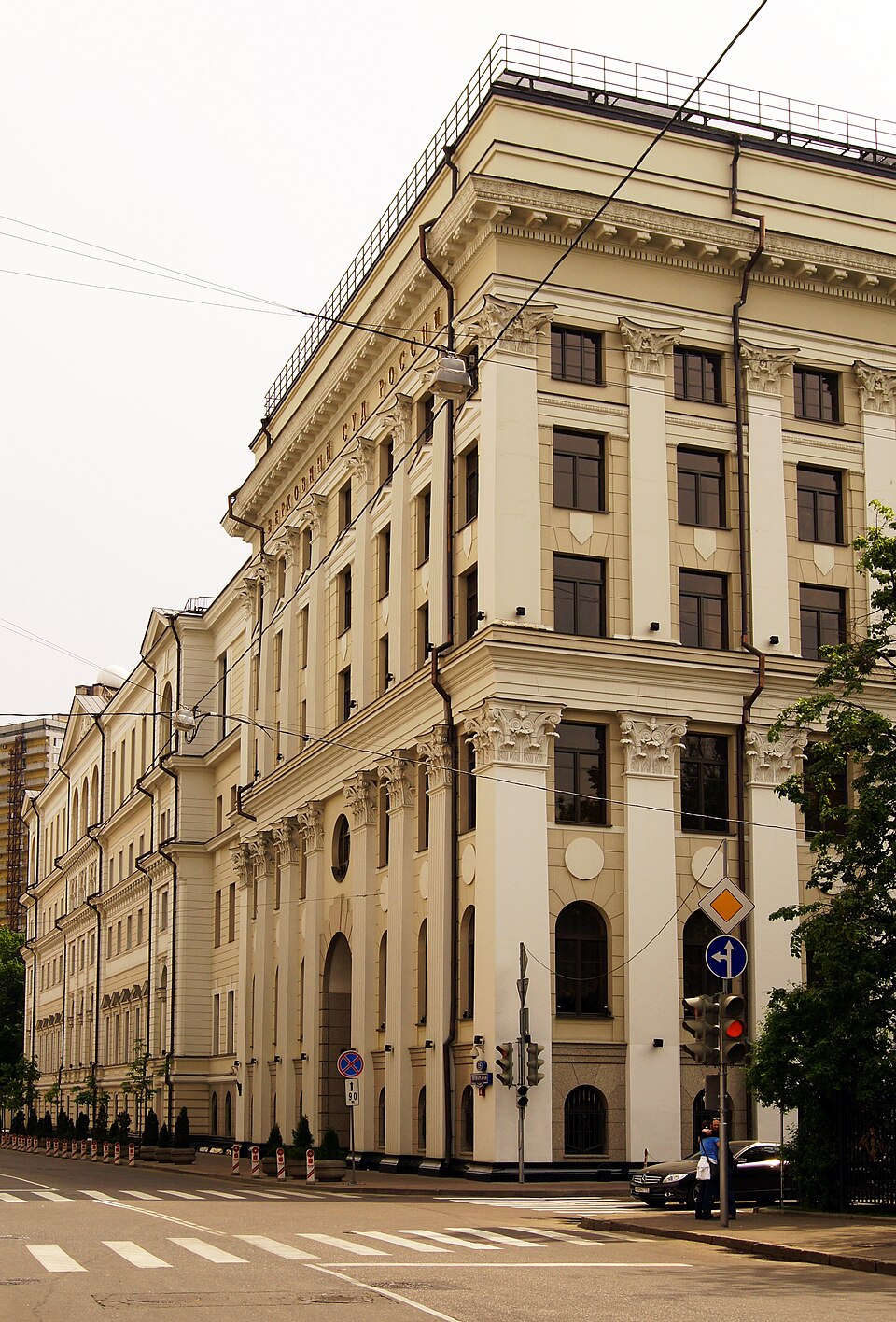
2010-05-16. Supreme Court building on Povarskaya Street, Moscow. Context for the judicial stage, not a Bratsk crime scene or a photograph of the 2007 hearing.
2010

Supreme Court: the case’s Moscow context

2010-05-16. Supreme Court building on Povarskaya Street, Moscow. Context for the judicial stage, not a Bratsk crime scene or a photograph of the 2007 hearing.

Stas Lobov · Wikimedia Commons
CC BY-SA 3.0 · Original ↗

Sources

Reading a crime chronology

A criminal case unfolds through a sequence of decisions: detention, charges, trial and possible review. Acquittal on one count does not always mean acquittal in the entire case; a changed sentence does not necessarily overturn a finding of guilt.

The case number, court, decision date and participant’s name help trace that sequence in the documents linked below.

Sources
Sources and dates

Checked: 2026-10-18. The main chronology ends in 1991; later events and photographs carry their own dates.