← Explore the cityBRATSK / PEOPLE & PLACES

People of Bratsk.

Builders, writers, photographers and athletes whose lives and work became connected with the city.

Ivan Ivanovich Naymushin

The head of Bratskgesstroy became a central figure in the city’s history. His work linked the dam, production base, transport and housing. The construction organisation created conditions for permanent city life as well as first electricity, which explains why Naymushin’s name appears in institutional, sporting and neighbourhood histories.

Behind the public image lay an organisation whose specialists, divisions and supply systems needed coordination. One biography cannot replace a collective history, but can reveal the scale of responsibility. The detailed HPP history and the account of the luge track continue different aspects of his Bratsk connection.
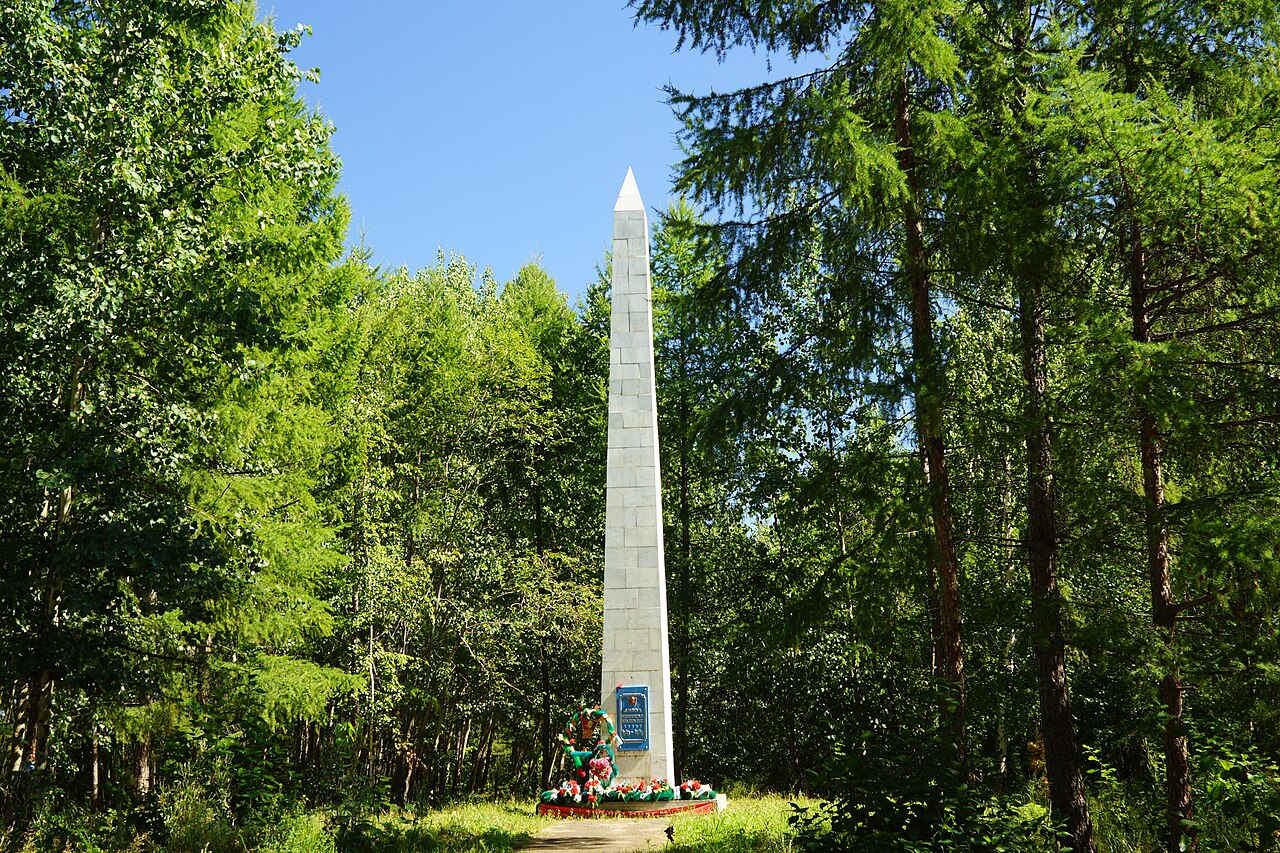
16 August 2020. Memorial to the Komsomol builders of Bratsk HPP in Padun.
2020

Remembering the builders, Padun

16 August 2020. Memorial to the Komsomol builders of Bratsk HPP in Padun.

Vasily Astanin · Wikimedia Commons
CC BY-SA 4.0 · Original ↗
Aron Markovich Gindin

The project’s chief engineer brought substantial hydropower experience to Bratsk. A Bratsk State University study describes his arrival in January 1955, when the future vast site was only taking shape. His career shows that the city’s creation relied on accumulated engineering knowledge alongside newcomers’ enthusiasm.

River works, winter concrete and coordination required technical decisions. The chief engineer connected design with site practice. Gindin’s biography brings calculation, quality and professional training into a story often remembered through ceremonial river-closure photographs. Those less visible elements were essential to the finished structure.

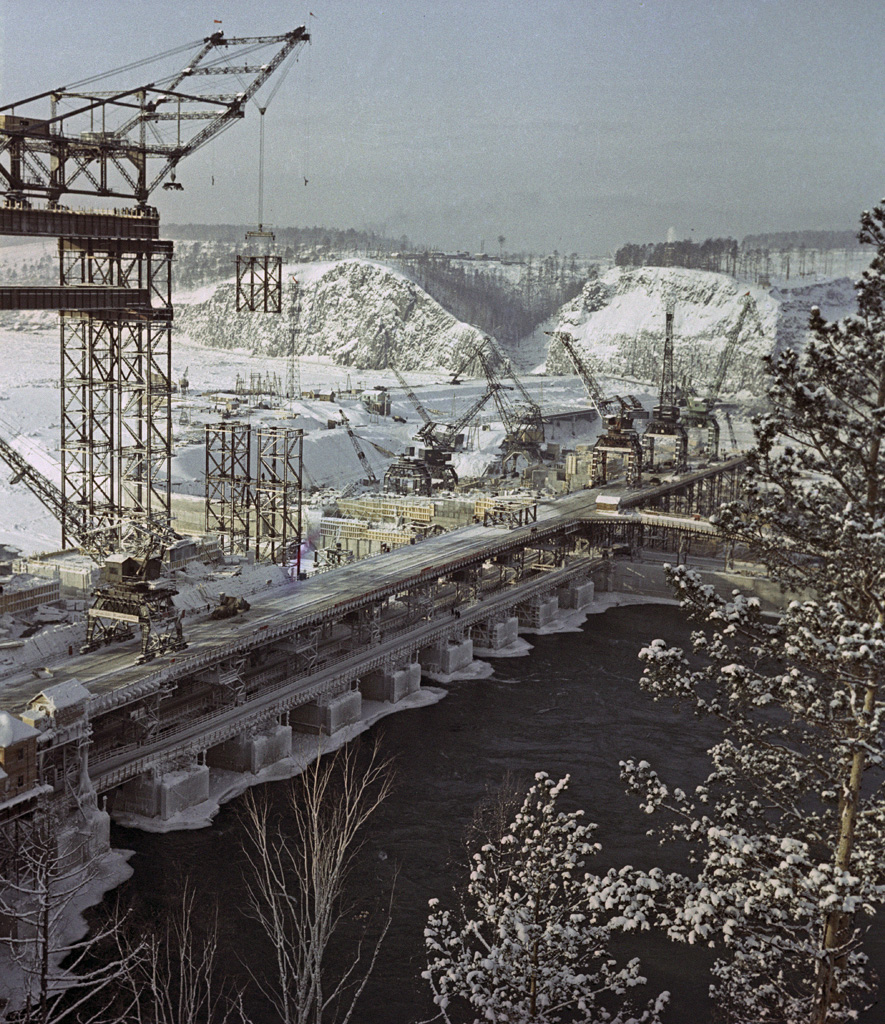
1 March 1960. Building the Bratsk dam.
1960

Construction panorama

1 March 1960. Building the Bratsk dam.

Макс Альперт / Max Alpert · Wikimedia Commons / РИА Новости
CC BY-SA 3.0 · Original ↗

Gennady Pavlovich Mikhasenko

Mikhasenko combined engineering education with literary work. Bratsk became both his home and material for writing about young people, school, friendship and growing up. His books reveal experiences and relationships beyond an official construction chronology.

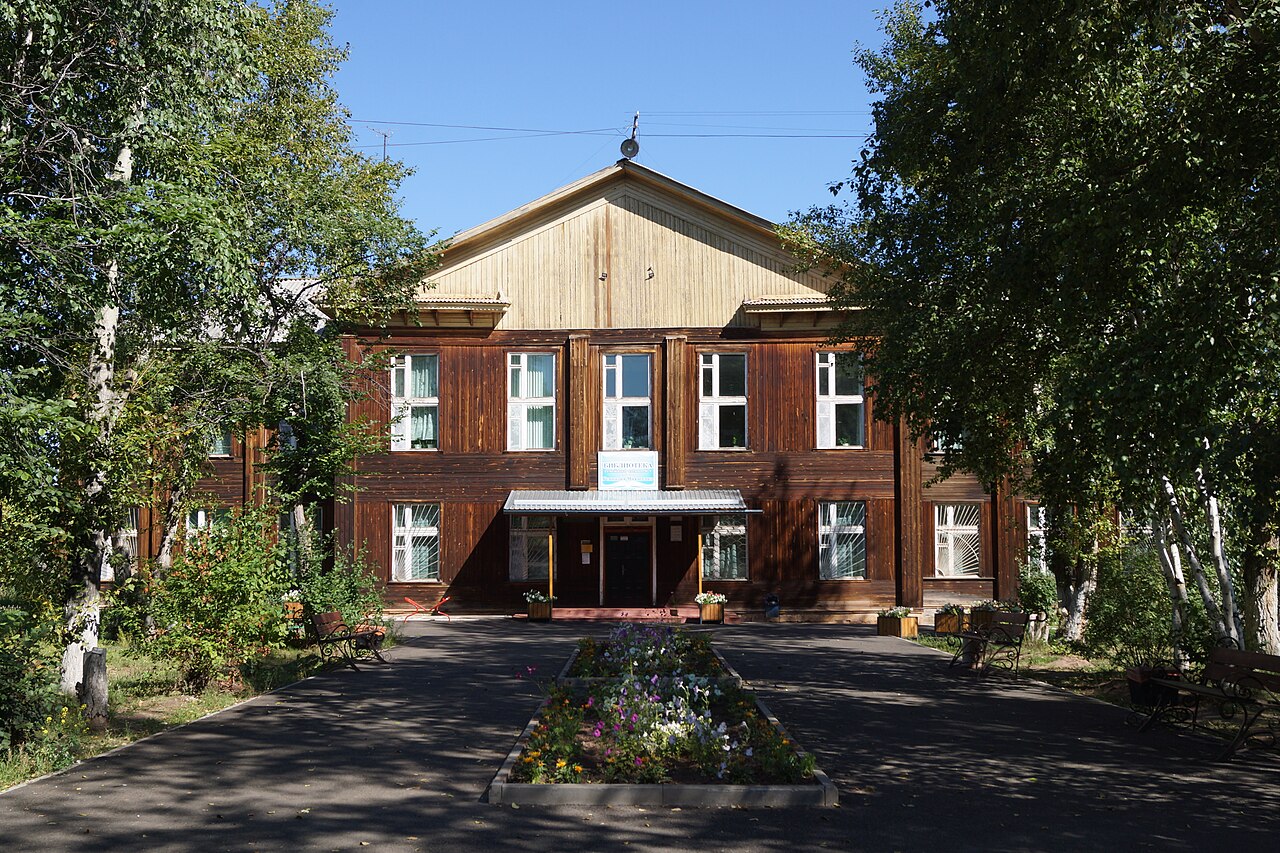
The screen adaptation “The Fifth Quarter” was filmed in the city; the library biography connects its first shots with the HPP machine hall. He also participated in the children’s Varyag camp. A Padun library now bears his name and preserves a museum collection. The photograph shows that library, rather than his house. The books section offers starting points for encountering the city through his writing.

16 August 2020. The wooden building of the G. Mikhasenko Family Reading Library in Padun.
2020

Mikhasenko Library, Padun

16 August 2020. The wooden building of the G. Mikhasenko Family Reading Library in Padun.

Vasily Astanin · Wikimedia Commons
CC BY-SA 4.0 · Original ↗
Viktor Solomonovich Serbsky

Serbsky moved to Bratsk in 1967. Engineering and industrial work accompanied poetry and decades of book collecting. His biography reflects a city where a technical profession could coexist with a substantial cultural life. A private collection gradually acquired public importance.

A decision to establish a library of twentieth-century Russian poetry from the collection was adopted in December 1991; opening followed in 1992. Keeping those dates separate reveals an institution emerging across a historical boundary. Serbsky offered the city a place of literary memory as well as books. The library’s story shows a personal commitment becoming an enduring urban institution.

Yuri Yegorovich Chernykh

The author of the well-known children’s poem beginning “Na lugu pasutsya ko…” moved to Bratsk in 1963. His biographical account records work as an engineer-economist. Literary recognition coexisted with an industrial profession, as it did for several figures in the city’s cultural community.

Chernykh’s verse uses rhythm, play and anticipation. It represents another strand of urban memory: alongside large industrial structures are works a child may recognise before learning factory names. Bratsk’s central children’s library bears the poet’s name. That everyday institutional presence connects his biography with generations of local readers.

Igor Yevgenyevich Vereshchagin

Vereshchagin was born outside Bratsk but grew up in the city after his family arrived in 1956. His route into photography connects with that local environment and work before moving to Moscow. He later became known for music and street photographs, including work at the Rolling Stones’ Moscow concert in 1998.

His story broadens the meaning of Bratsk photography beyond documenting construction. It also includes careers shaped in the city and continued elsewhere. Interviews trace how early experience and an interest in music developed in another cultural setting. His local connection is specific: Bratsk was formative in his life, rather than simply a place he visited after becoming known.

Fred Yusfin

Yusfin is remembered as an energy professional and a participant in city cultural life. His recollections of Yevgeny Yevtushenko’s visits preserve an insider’s perspective. Such testimony adds a human view to a dated event: how encounters were organised and what participants remembered.

A personal account needs comparison with other records, but also supplies an everyday voice unavailable in a brief official entry. Engineering and cultural biographies often intersected in Bratsk. Yusfin represents that community, whose members worked at the station while helping create clubs, meetings and children’s initiatives. The HPP visitors section draws on his testimony in greater detail.

Valery Arkadyevich Dudin

The 1984 Sarajevo Olympic bronze medallist is connected with Bratsk’s luge school as both athlete and coach. His medal was in men’s singles luge, a precise event designation that distinguishes it from bobsleigh and other sliding disciplines.

Work after the major competition also matters to local history. A coach passes technical experience to beginners. Dudin’s biography therefore connects an international results sheet with the daily life of a local school. His inclusion rests on that professional association with the city; differing birthplace accounts are not converted into an unsupported assertion.

Albert Mikhailovich Demchenko

Demchenko trained in Bratsk for several years, a connection confirmed by CSKA’s account of his return in 2016. He was born in Chusovoy; training location is not substituted for birthplace in this profile.

His career illustrates a sporting school as a meeting point for people from different regions. A city’s contribution is not measured only by its native-born athletes. Training conditions, mentors and teammates can form a significant part of a professional route. Returning as an established competitor to meet younger athletes continues that relationship through shared experience.

Following the biographies further

This is an editorial selection rather than a fame ranking. Each entry identifies a connection with Bratsk: living, working, growing up or training here. A famous visitor does not become a resident simply by arriving; those encounters are covered separately in the HPP section.

Memoirs, library biographies and oral histories provide further routes into these lives. They place individuals among colleagues, family and urban institutions. Photograph captions retain their own dates: a library, memorial or construction site can show someone’s legacy in the city without being a portrait of that person.

Sources & further reading

Checked on 18 October 2026. The main chronology ends in 1991; later events and photographs carry their own dates.