← All stories

1988–1991

Perestroika at the scale of a city.

Large changes become visible in cinema programmes, salt buying, returning television broadcasts and concerns about the city’s air.

01

A changing screen

Bagulnik opened in 1988 with The Cold Summer of 1953, bringing a new public discussion of the Soviet past to the screen. Era cinema followed in Energetik a year later.
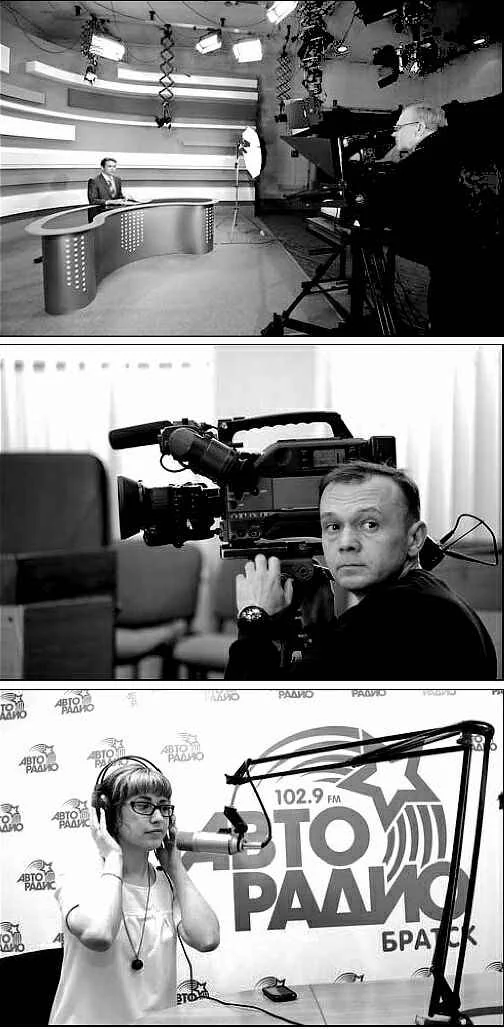
A photographic collage from Elena Kutergina’s feature: the studio, camera work and TRK Bratsk staff. Photographs by Valery Pavlov; exact shooting dates are unspecified.
б/д · undated

TRK Bratsk’s studio and staff

A photographic collage from Elena Kutergina’s feature: the studio, camera work and TRK Bratsk staff. Photographs by Valery Pavlov; exact shooting dates are unspecified.

Валерий Павлов / Valery Pavlov · Имена Братска · Елена Кутергина
Публикация с активной ссылкой на источник / Reuse with an active source link · Original ↗

02

Thirteen tonnes of salt

On 30 May 1990, the central retail organisation sold thirteen times its usual amount of salt after Nikolai Ryzhkov’s speech. The entry captures an everyday response to expectations of price changes.

03

Television, smog and local historians

Bratsk television programmes resumed in January; industrial smog covered the city at the end of the month. A local history society formed in March. Local broadcasting, environmental problems and civic initiatives accompanied daily life through the turning point of 1991.
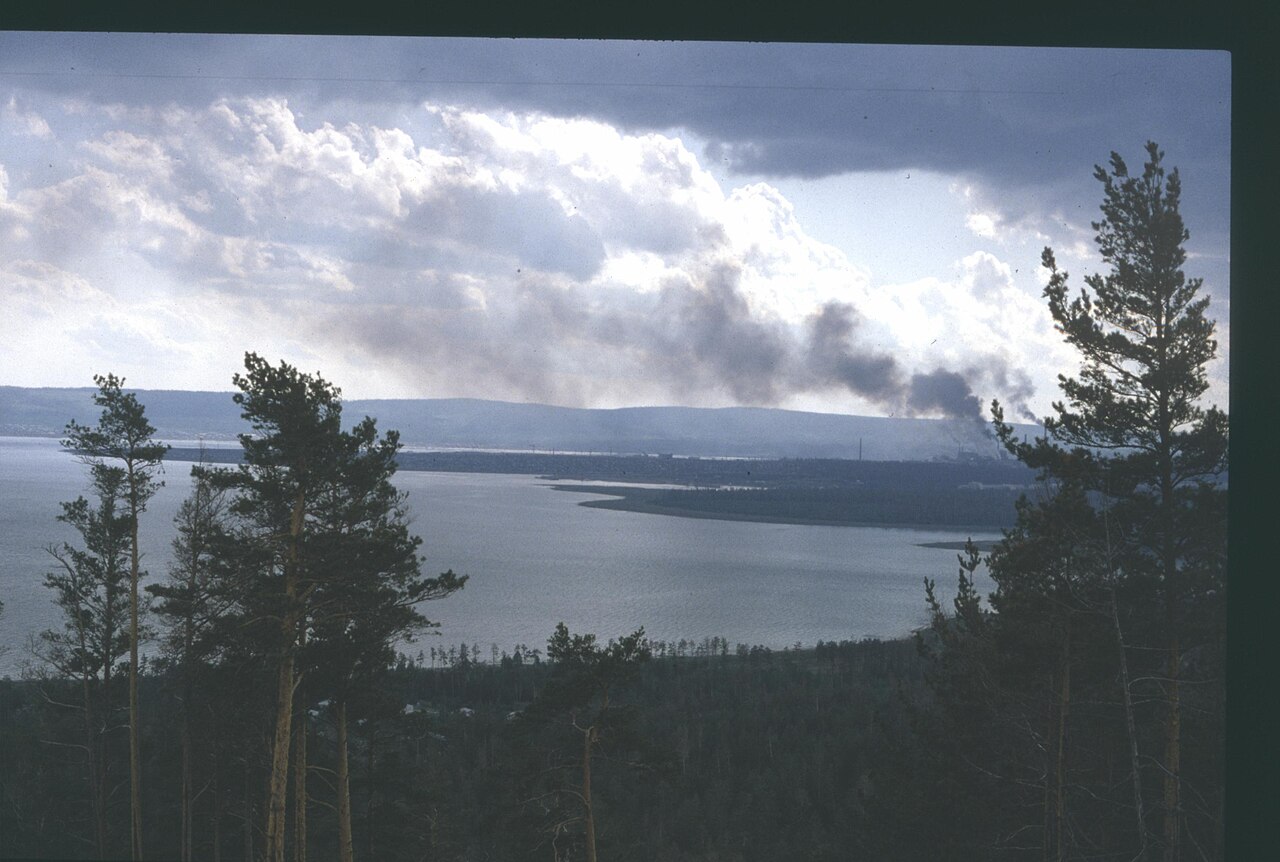
Summer 1981. The author describes air pollution from the aluminium works. The image does not establish a measured pollution concentration.
1981

An industrial landscape in 1981

Summer 1981. The author describes air pollution from the aluminium works. The image does not establish a measured pollution concentration.

CTHOE · Wikimedia Commons
CC BY-SA 3.0 · Original ↗

04

A period ends while city life continues

In the late 1980s, public change entered city life through screens, institutions and everyday concerns. The decision to create a library from Viktor Serbsky’s collection was made in December 1991; it opened in 1992. The pages on mayors, the airport and the sports school continue the city’s story after the Soviet period.
Sources for this story

  1. Bratsk chronicle: 1981–1992 ↗
  2. How the drama theatre opened ↗

Photographic records

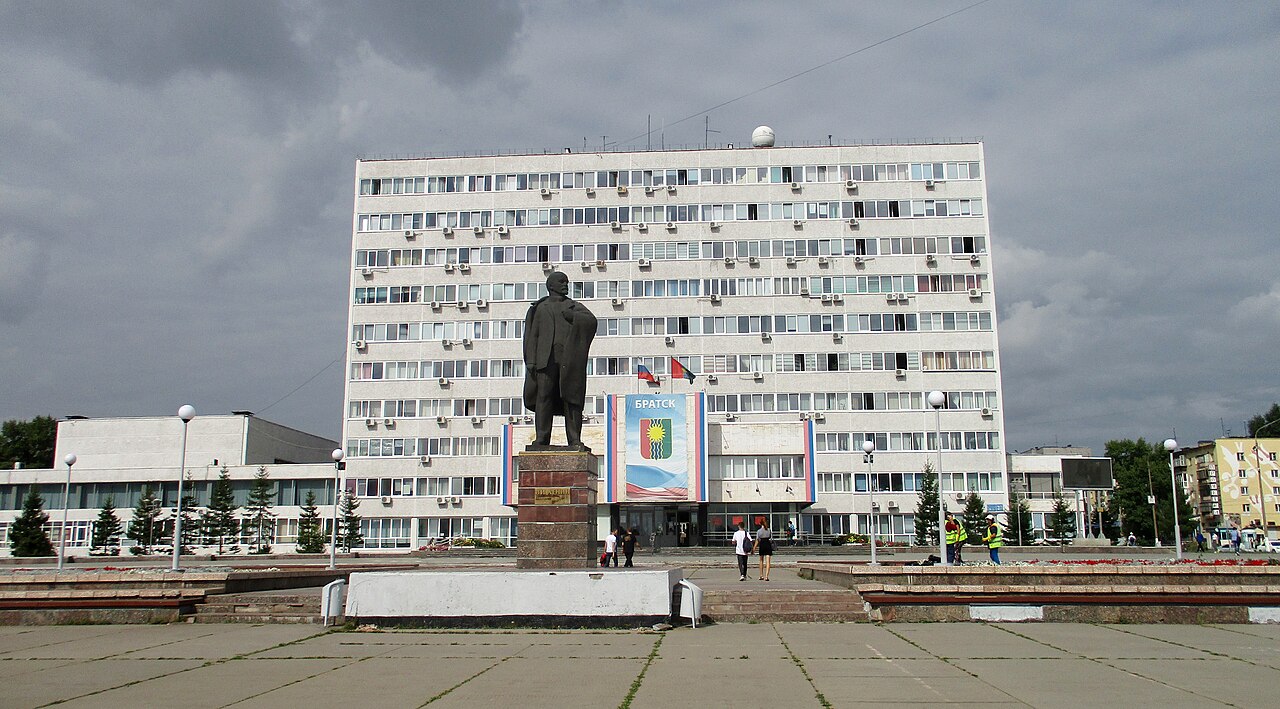
17 August 2021. City administration building in the Central residential area.
Andrijko Z. · CC BY-SA 4.0 · Original ↗
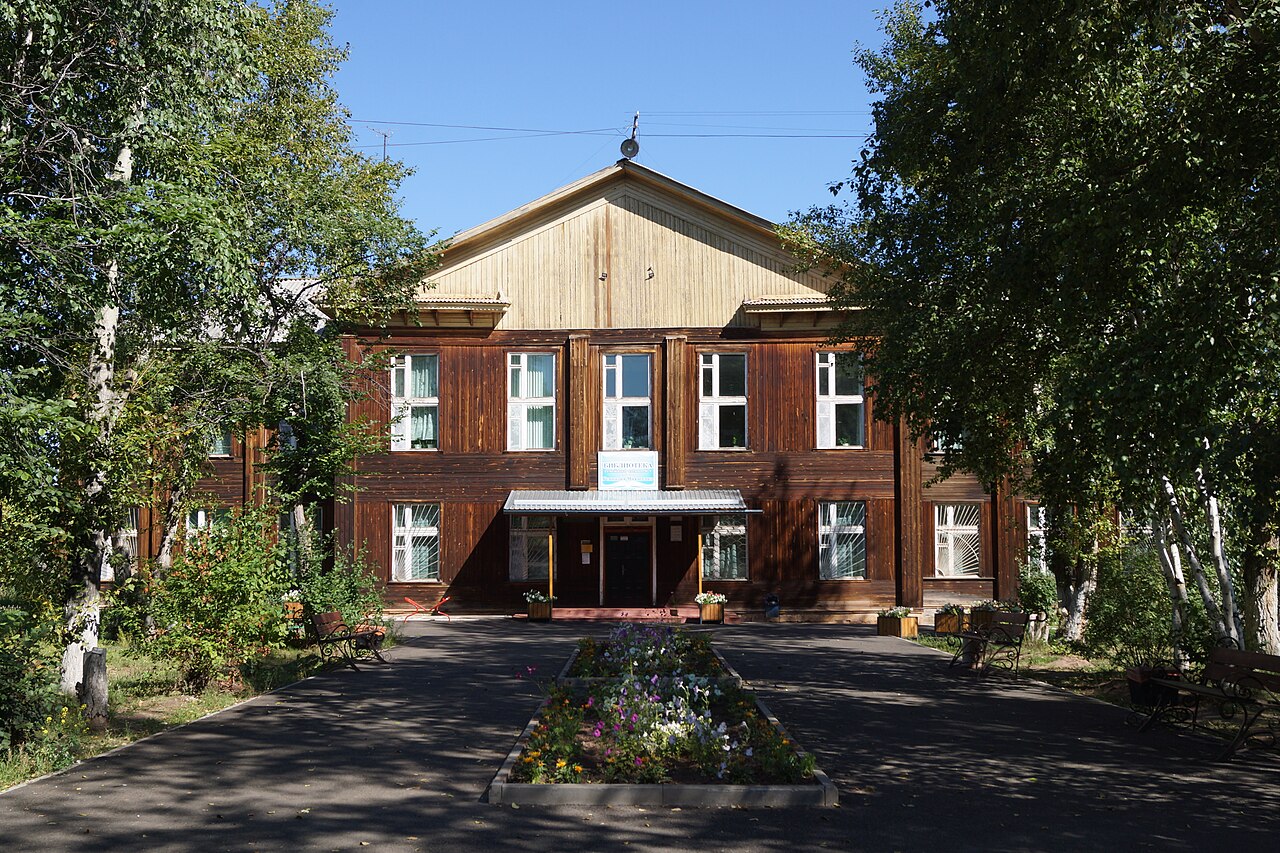
16 August 2020. The wooden building of the G. Mikhasenko Family Reading Library in Padun.
Vasily Astanin · CC BY-SA 4.0 · Original ↗

Dates in this story

Culture

A premiere at Bagulnik

A new cinema opens with The Cold Summer of 1953. Perestroika reaches the city through the screen.

Read the full story ↗
Everyday life

Thirteen tonnes of salt

Following Nikolai Ryzhkov’s speech, the central retail organisation sells thirteen times its usual amount of salt.

Read the full story ↗
Culture

Local television returns

Bratsk television resumes broadcasts on Channel Seven, initially with recorded video programmes.

Read the full story ↗
Everyday life

A week under smog

Industrial smog blankets the city. The chronicle records that only a strong wind finally disperses it.

Read the full story ↗
Culture

Gathering the city’s history

The Bratsk local history society is founded, creating another way to preserve the city’s memory.

Read the full story ↗