Stories.
How a settlement on the Angara became a city. Detailed accounts with documentary sources, photographs and eyewitness recollections.
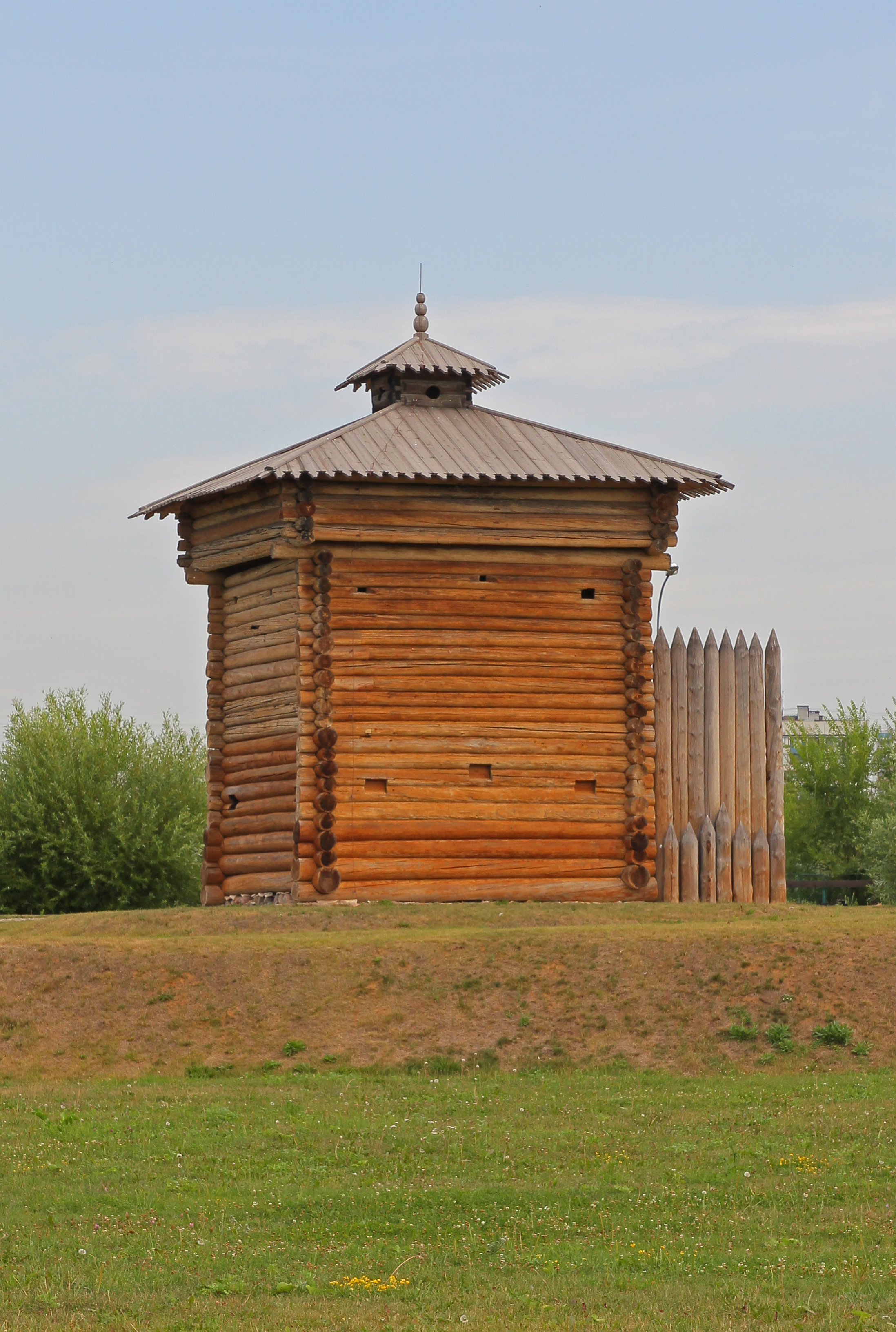 2011 / А.Савин, Википедия / A.Savin, Wikipedia / CC BY-SA 3.01626–1654 / Origins
The fort: a frontier on inhabited land
Long before the dam or village, this was inhabited land. Bratsk’s history begins with an encounter, and conflict, between different worlds.
Read story ↗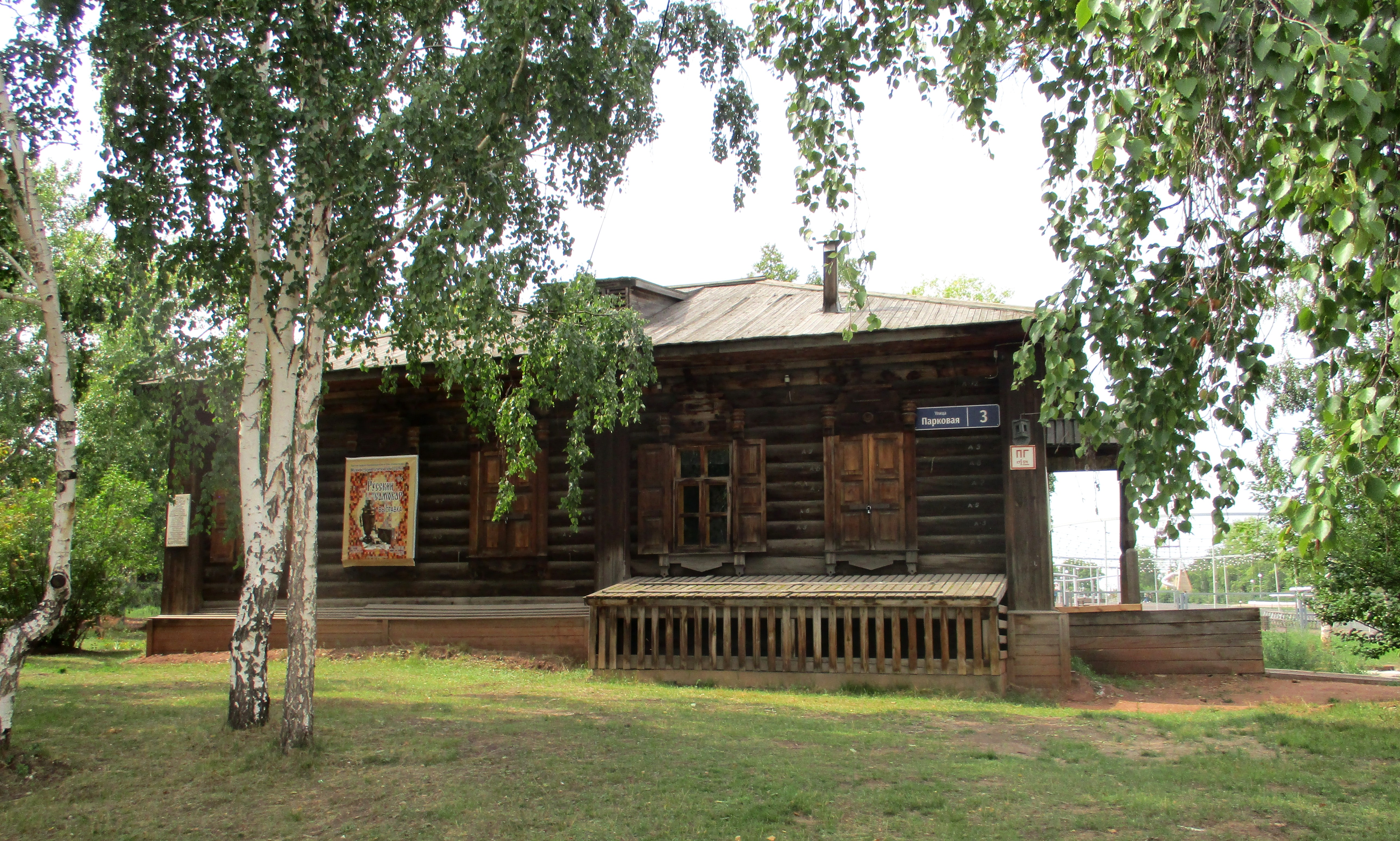 2021 / Andrijko Z. / CC BY-SA 4.01656–1900 / People
Exile and its lasting traces
Not everyone came here willingly. Forced settlement became part of the place’s cultural and scientific history.
Read story ↗1670–1900 / Everyday lifeThe Angara before the Bratsk Sea
The river was a road, a livelihood and an obstacle. People lived on its banks long before the industrial city.
Read story ↗1850–1990 / CultureA city learns and reads
Schools, libraries and higher education grew with the population. Their history predates the university name on a facade.
Read story ↗1917–1920 / PeopleWhen the Bratsk road became a front
Revolution did not happen here in a single day. Changing power, nationalisation and partisan warfare affected village and factory district alike.
Read story ↗1926–1949 / Everyday lifeThe district before the great construction
Between fort and dam lay rural life, collectivisation, war and the first post-war surveys.
Read story ↗1946–1986 / Everyday lifeConnecting a city through transport
Distances were built into Bratsk’s layout. Railways, the airport, dam crossings and trolleybuses answered different needs.
Read story ↗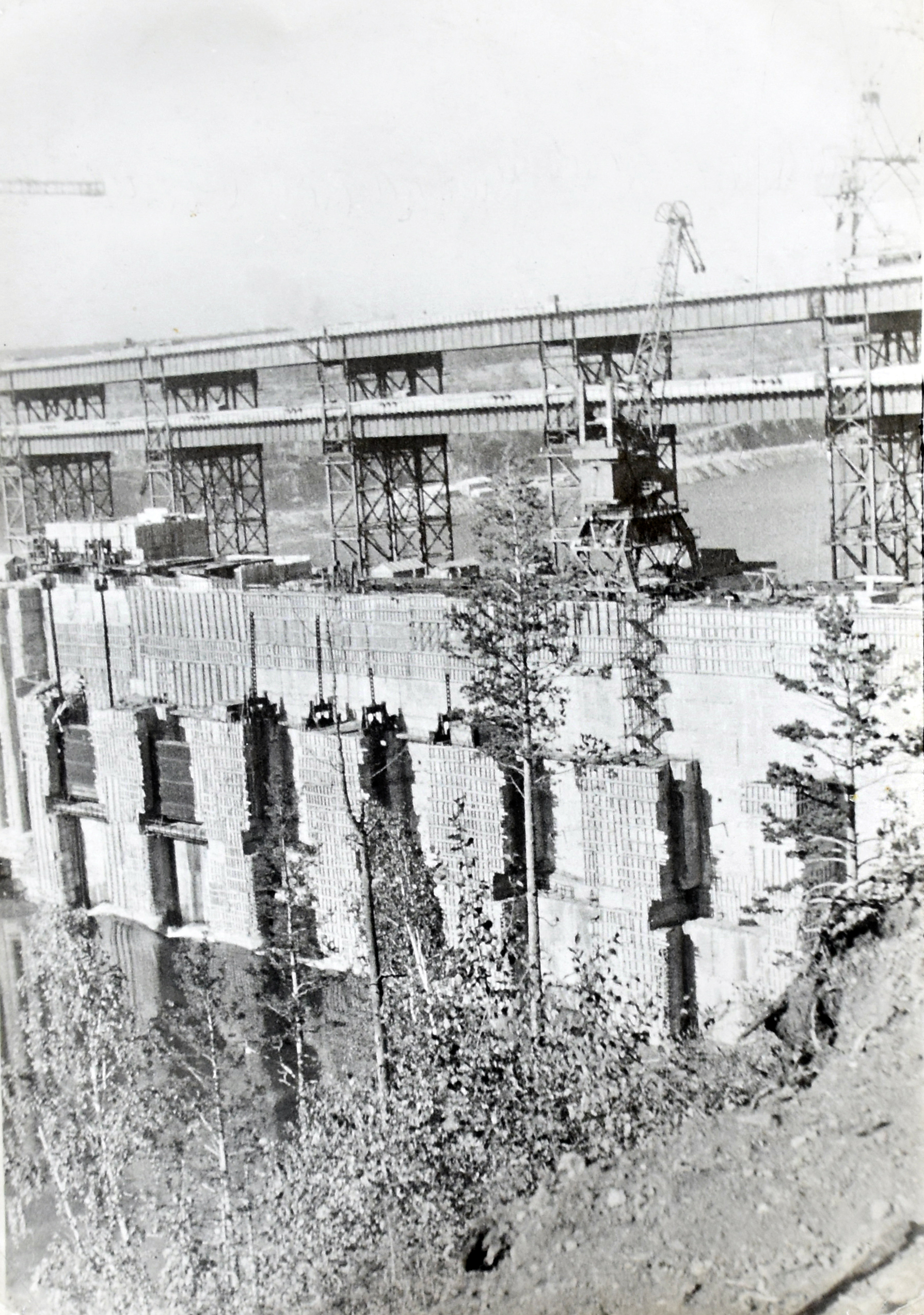 1961 / Юрий Васильевич Кудинов / Yuri Vasilyevich Kudinov / CC BY 4.01951–1967 / Everyday life
When an address went under water
The Bratsk Sea has two histories: creating an energy resource and losing an existing place to live.
Read story ↗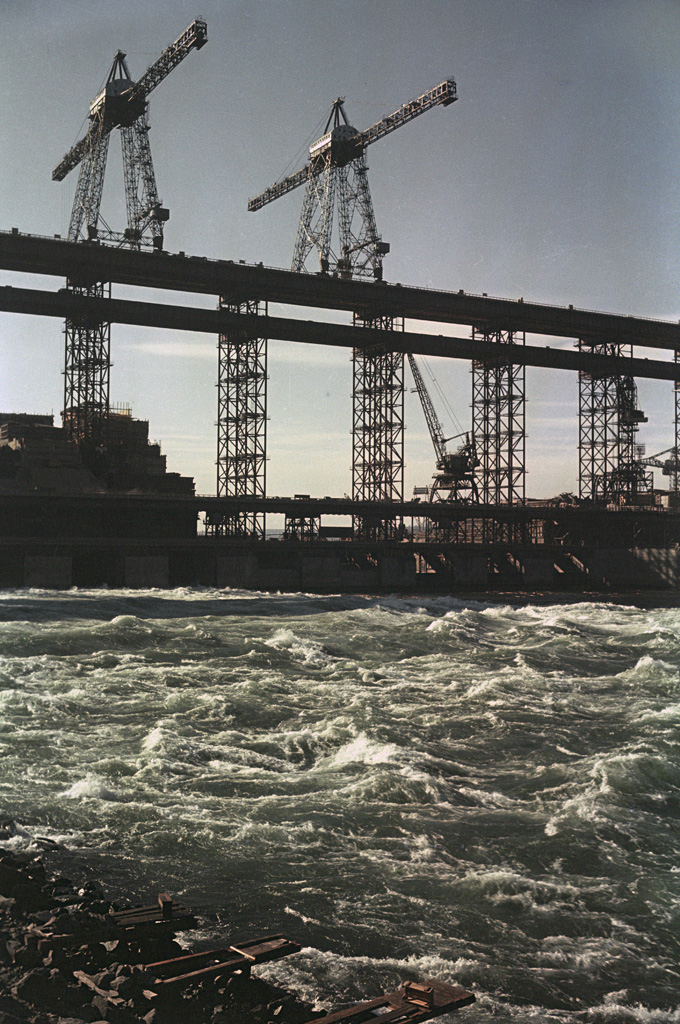 1960 / Алексей Бушкин / Alexey Bushkin / CC BY-SA 3.01954–1967 / Industry
How the Bratsk dam was built
Two river closures, first generators and final commissioning were distinct stages of one construction project.
Read story ↗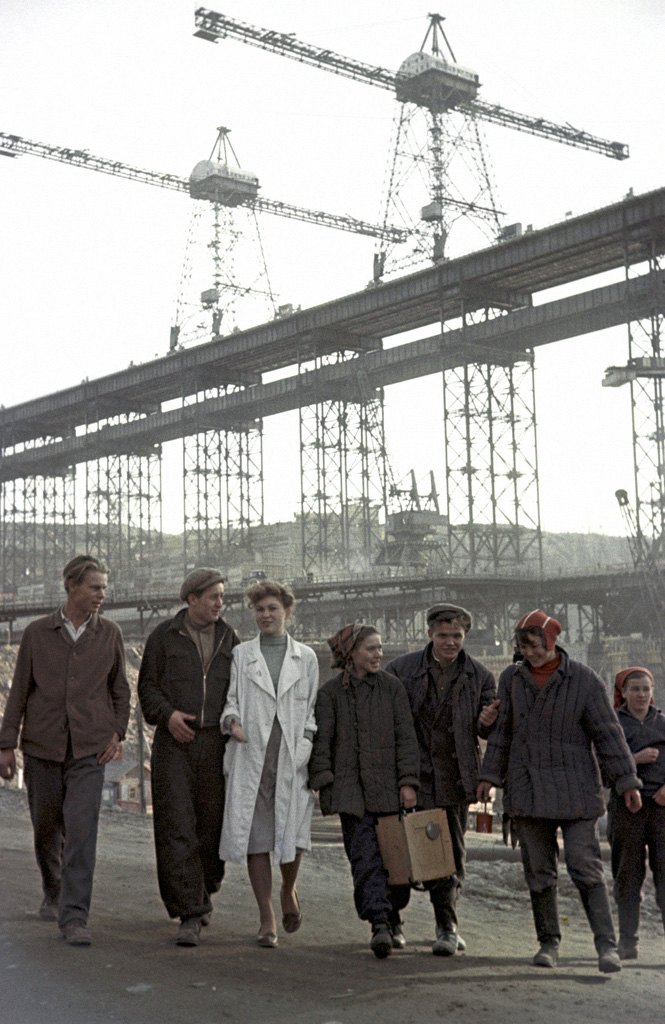 1960 / Алексей Бушкин / Alexey Bushkin / CC BY-SA 3.01954–1962 / Everyday life
Green Town: temporary for years
A tent was a beginning, not a solution to housing. The builders’ settlement developed a life of its own before it was flooded.
Read story ↗1955–1980 / OriginsOne city from several settlements
Greater Bratsk did not grow around a single square. Each site had its own work, housing and reason for existing.
Read story ↗1959–1989 / OriginsA city between taiga and reservoir
Forest gaps, long journeys and rapid population growth belong to the history of planning, not to an accidental map.
Read story ↗1960 / Алексей Бушкин / Alexey Bushkin / CC BY-SA 3.01960–1991 / IndustryPower, metal, timber—and air
Hydropower gave the city its industrial scale. Production shaped jobs and housing, but also the environment people lived in.
Read story ↗1962–1989 / CultureAfter the shift: screen and stage
The industrial city had its own audiences, photographers, actors and cultural links abroad.
Read story ↗2021 / Andrijko Z. / CC BY-SA 4.01970–1991 / CultureWhat could be carried out of the past
Shorelines and addresses changed. Museums, preserved buildings and local historians connected the new city with places it could no longer see in their original setting.
Read story ↗1971–1984 / PeoplePikhtovaya: the road to an Olympic medal
The luge school has its own place in city history, built through a track, training and early national competitions.
Read story ↗1988–1991 / Everyday lifePerestroika at the scale of a city
Large changes become visible in cinema programmes, salt buying, returning television broadcasts and concerns about the city’s air.
Read story ↗