← Explore the city
BRATSK / PEOPLE & PLACES

Museums of Bratsk.

Wooden farmsteads, builders’ records, political exile, paintings and specialist collections. A guide to Bratsk’s museums: what they preserve, where to find them and how to arrange a visit.

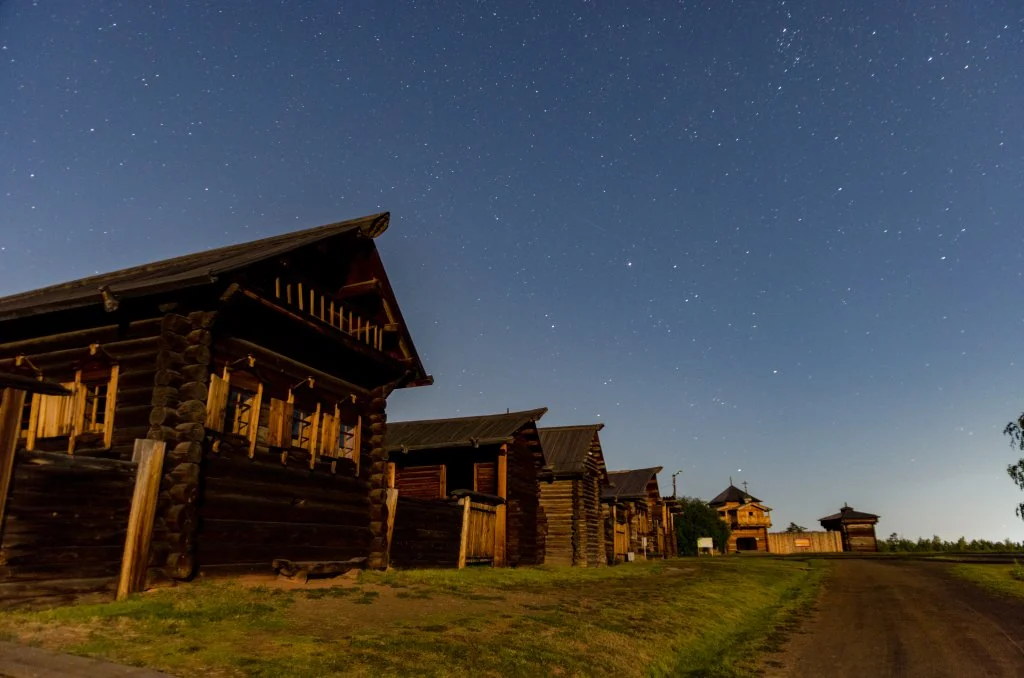
Wooden buildings in the Russian sector. This is an ensemble assembled on a new site, rather than a single village street preserved in place.
б/д · undatedThe village street

Фотограф не указан / Photographer not named ↗ · © Bratsk City Museum · официальная музейная публикация / official museum publication

4 SECTIONS / COMPLETE READ — ABOUT 6 MIN
4

Venues in the municipal united museum

35

Hectares at Angarskaya Derevnya, museum figure

1989

Political-exile museum opens

1990

Art hall becomes a museum branch

At a glance

Museums of Bratsk
OptionLocationBest suited to
Angarskaya Derevnya ↘Wooded site between the Centre and PadunWooden architecture and ethnography
Political-exile museum ↘Centre, 3 Parkovaya StreetExiles, documents and local history
Art Exhibition Hall ↘Centre, 77 Komsomolskaya StreetPainting, photography and changing exhibitions
Bratskgesstroy museum ↘Padun, 54 Gidrostroiteley StreetBuilders’ history; building under refurbishment
Gidroelektromontazh museum ↘Corporate collection; arrange a visitInstallation teams and an industrial archive; online collection
BrSU museum ↘University campus; arrange a visitHigher-education history
Garmoniya museum ↘Right Bank, 1a Gorkogo Street; arrange a visitLocal history and educational programmes
Lyceum No. 1 museum ↘Energetik, 8 Pogodayeva Street; arrange a visitA school historical and memorial collection
EXPLORE BY SUBJECT

What interests you?

01

Municipal museums

5 chapters

One history, several museum addresses

Bratsk’s United Museum of Angara Development comprises four venues: Angarskaya Derevnya, the history museum of Bratskgesstroy and the city, the political-exile museum and the art exhibition hall. They explore different aspects of the region, from traditional life to industrial construction and urban painting.

The institution also maintains collections and a research library. Its administration at 38 Komsomolskaya Street is not the visitor address for every branch. Corporate, educational and private collections exist alongside this municipal network, each with its own access arrangements. They are identified separately below to make the guide useful for an actual visit.
Sources

Angarskaya Derevnya: a museum in the forest

The O. Leonov architectural and ethnographic museum was established in 1979. Approximately 35 hectares contain Russian farmsteads and an Evenki sector. Visitors encounter an environment of homes, outbuildings, paths and working tools rather than an isolated object in a case.

The Russian sector includes relocated and restored wooden buildings, among them a Bratsk Ostrog tower and the Archangel Michael church. Original structures and modern reconstructions have different statuses, explained by their labels.

Wooden buildings in the Russian sector. This is an ensemble assembled on a new site, rather than a single village street preserved in place.
б/д · undated

The village street

Wooden buildings in the Russian sector. This is an ensemble assembled on a new site, rather than a single village street preserved in place.

Фотограф не указан / Photographer not named · Братский городской объединённый музей / Bratsk City Museum
© Bratsk City Museum · официальная музейная публикация / official museum publication · Original ↗

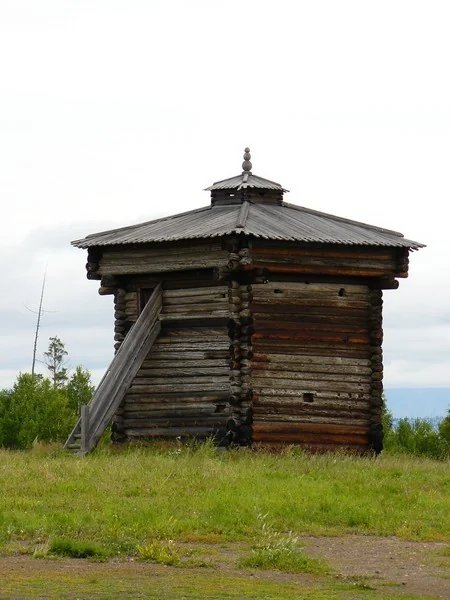
The southwest tower at Angara Village. A 2026 study dates the surviving towers to 1685, revising the traditional museum date of 1654.
б/д · undated

An original Bratsk Ostrog tower

The southwest tower at Angara Village. A 2026 study dates the surviving towers to 1685, revising the traditional museum date of 1654.

Фотограф не указан / Photographer not named · Братский городской объединённый музей / Bratsk City Museum
© Bratsk City Museum · официальная музейная публикация / official museum publication · Original ↗

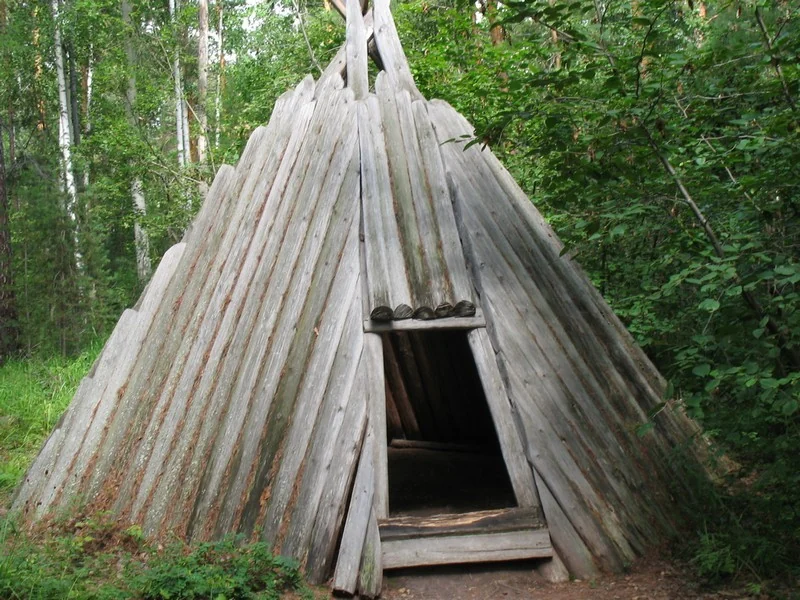
A reconstructed dwelling labelled “timber chum” in the museum album.
б/д · undated

A timber chum

A reconstructed dwelling labelled “timber chum” in the museum album.

Фотограф не указан / Photographer not named · Братский городской объединённый музей / Bratsk City Museum
© Bratsk City Museum · официальная музейная публикация / official museum publication · Original ↗

Sources

The Museum of Political Exile

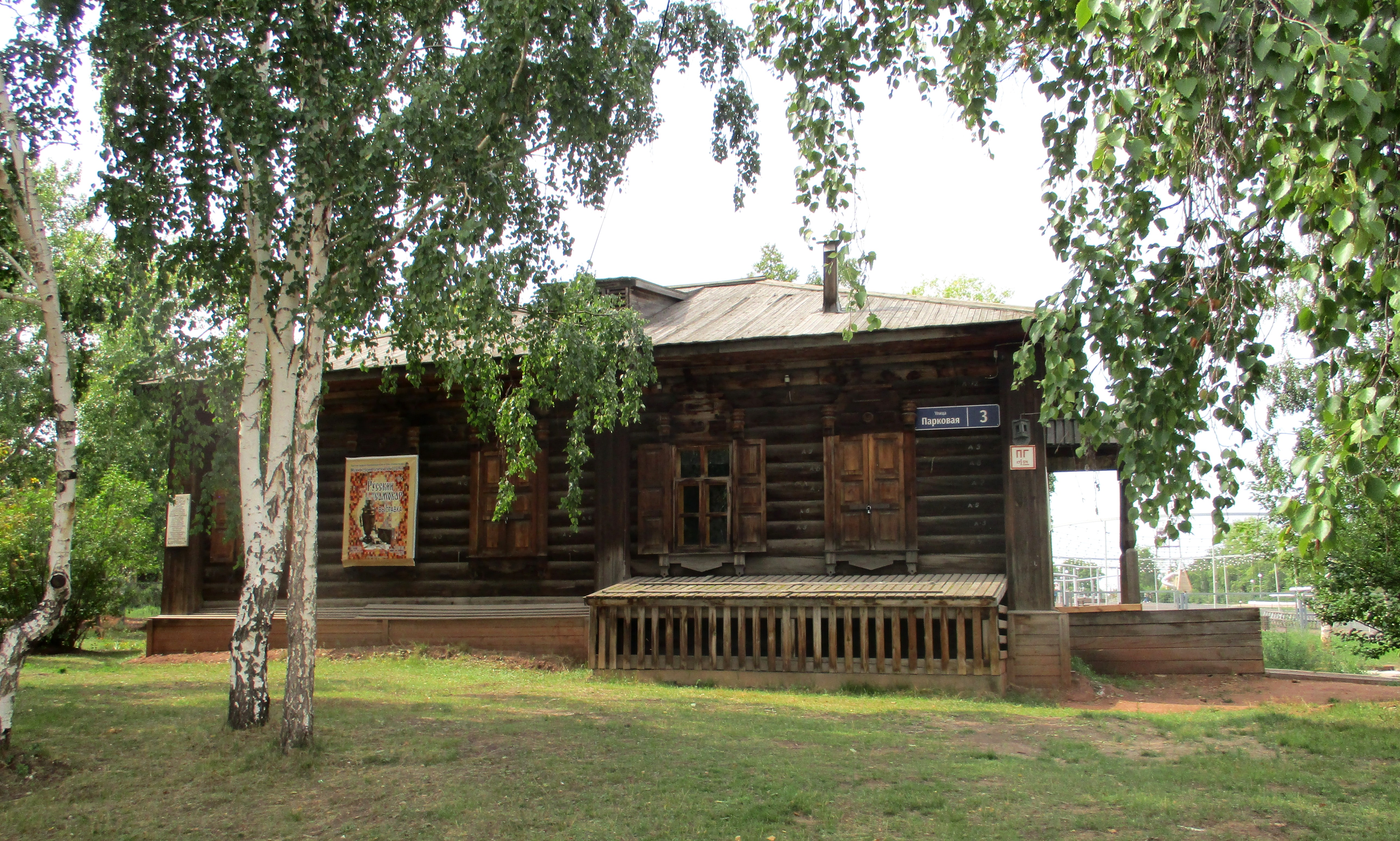
The museum at 3 Parkovaya Street opened on 16 December 1989. Its wooden building connects with the first museum of old Bratsk: archaeological finds, documents and natural-history and household collections were assembled in a former church house. The collection later moved to a school and was lost in the 1934 fire.

Today’s institution explores exiles’ lives and regional history. Its exhibition history includes political exile, Gulag prisoners and changing local-history displays. This intimate venue offers an approach through individual experiences and documents; consult its programme for the current exhibition.

17 August 2021. Museum of the History of Political Exile. A modern photograph, not an archival image.
2021

Museum of Political Exile

17 August 2021. Museum of the History of Political Exile. A modern photograph, not an archival image.

Andrijko Z. · Wikimedia Commons
CC BY-SA 4.0 · Original ↗

Sources

Bratskgesstroy: remembering the great construction projects

The Bratskgesstroy labour-history museum opened on 21 September 1979. Its collections include Ivan Naymushin’s papers, builders’ records, photographs, Ogni Angary newspapers from 1955 and the construction organisation’s photographic negatives. They connect the dam and city with individual people and working days.

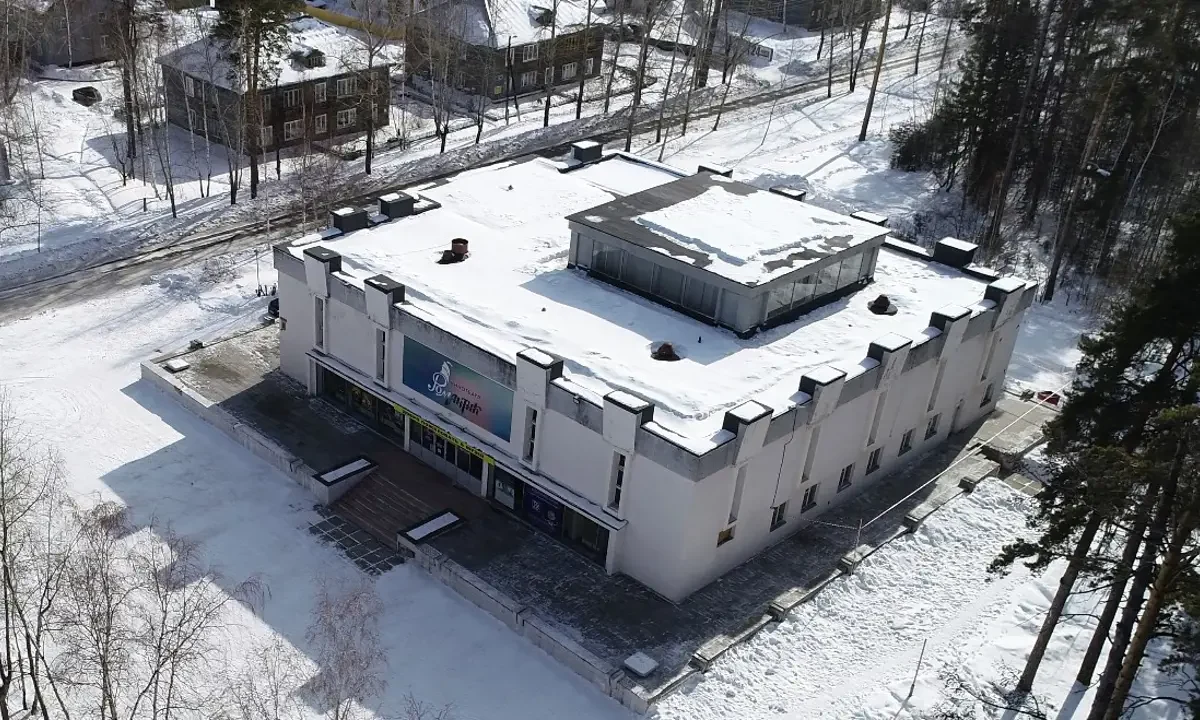
The building is at 54 Gidrostroiteley Street, Padun. As checked on 20 October 2026, capital refurbishment is under way, confirmed by an October report. The contract was reported as running to December 2027; this is a plan, not a confirmed reopening date. Ask the united museum about available programmes and access.

The Museum of the History of Bratskgesstroy and Bratsk building at 54 Gidrostroiteley Street, Padun. BST photograph used in a refurbishment report published on 29 December 2025. The shooting date cannot be established from the snow-covered scene; it does not show a completed refurbishment.
≤2025 · дата съёмки не указана / shooting date unspecified

The Bratskgesstroy history museum from above

The Museum of the History of Bratskgesstroy and Bratsk building at 54 Gidrostroiteley Street, Padun. BST photograph used in a refurbishment report published on 29 December 2025. The shooting date cannot be established from the snow-covered scene; it does not show a completed refurbishment.

Братская студия телевидения / Bratsk Television Studio · БСТ / BST · 29.12.2025
© БСТ · разрешено с прямой ссылкой на публикацию / Reuse permitted with a direct article link · Original ↗

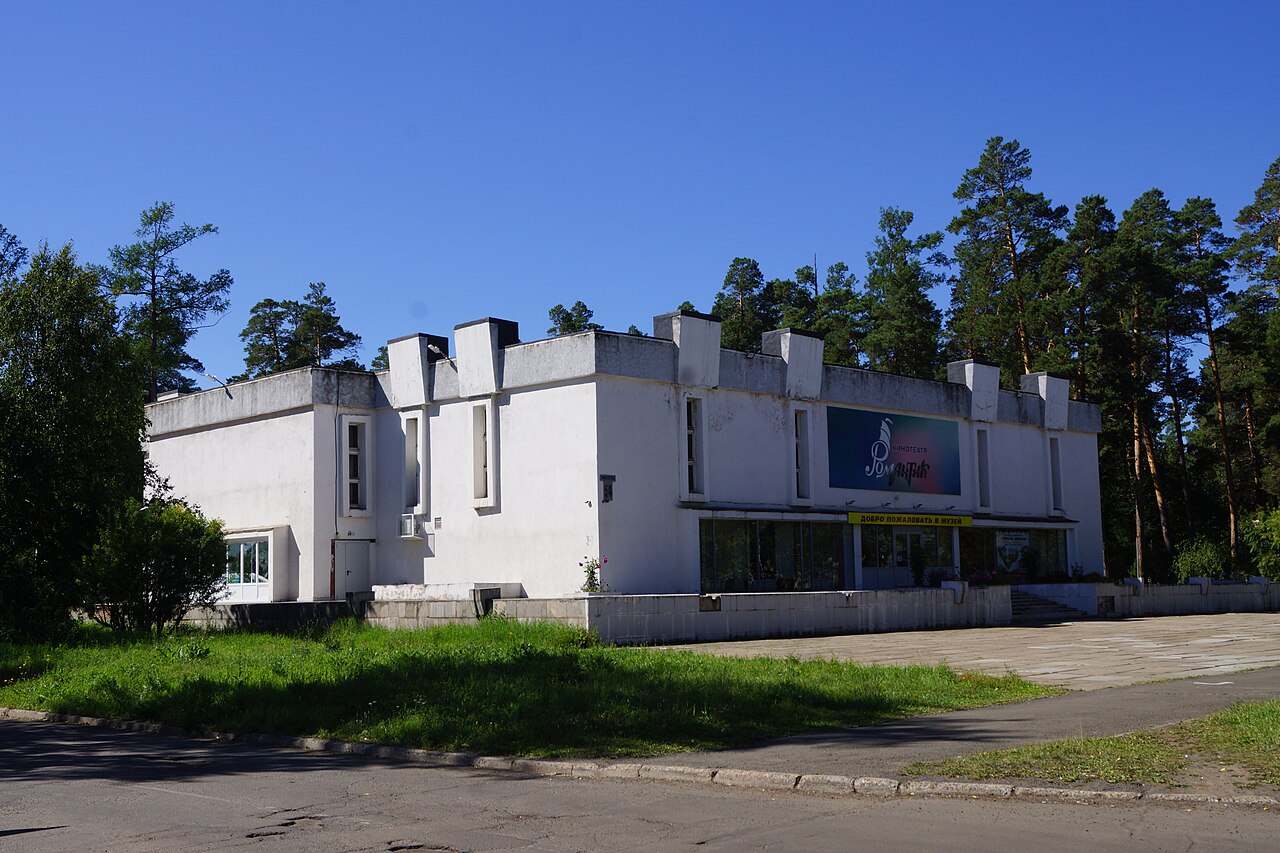
16 August 2020. The building associated with the Romantik cinema and the Bratskgesstroy history museum, in Padun.
2020

The former Romantik cinema, Padun

16 August 2020. The building associated with the Romantik cinema and the Bratskgesstroy history museum, in Padun.

Vasily Astanin · Wikimedia Commons
CC BY-SA 4.0 · Original ↗

Sources

The Art Exhibition Hall

The exhibition hall has been a museum branch since January 1990 and has occupied 77 Komsomolskaya Street since 1995. Its programme includes painting, graphics, photography and decorative arts. The collection includes Bratsk and Irkutsk artists, with the museum naming Demyanenko, Mamilov, Kostovsky and Zhilin among them.

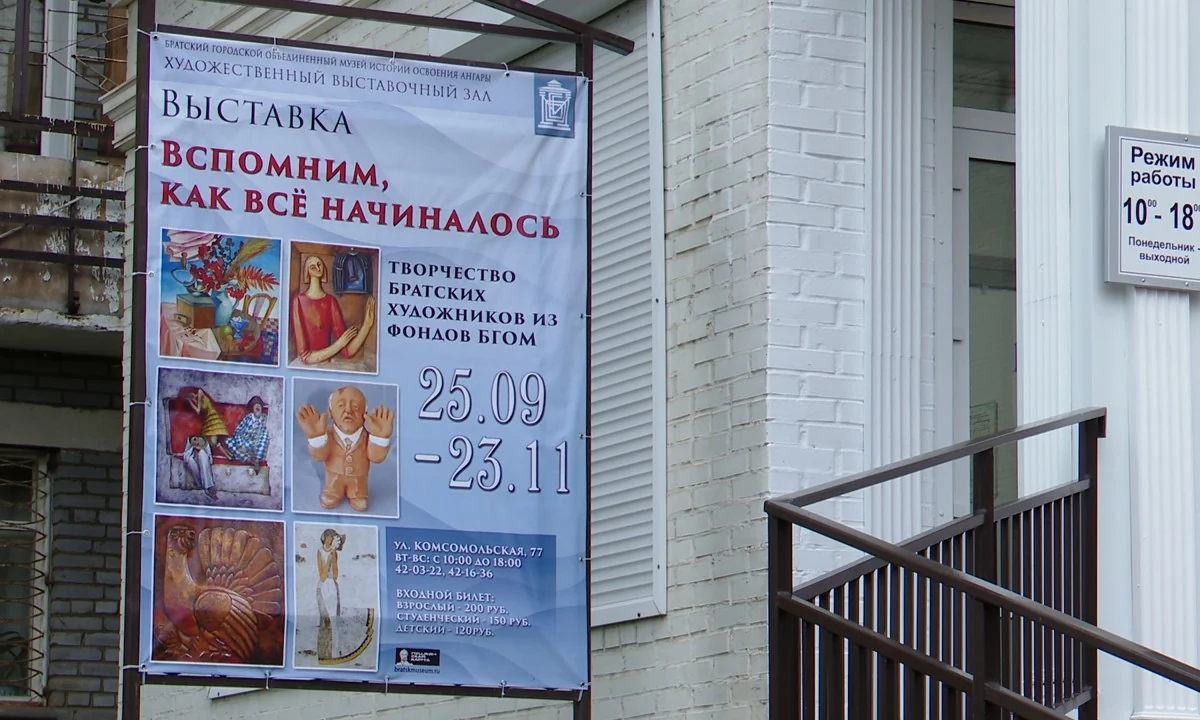
In 2025 local history featured in Let Us Remember How It All Began and Bratsk: From Fort to City. The photographs here document those past exhibitions. Choose a future visit through the current programme: changing displays make this a venue worth returning to.

The entrance to the Art Exhibition Hall at 77 Komsomolskaya Street, with a poster for the exhibition “Let us remember how it all began”. Preview still from BST’s own report published on 25 September 2025; the shooting date is not separately specified. The poster relates to 2025 and is not the current programme.
≤2025 · дата съёмки не указана / shooting date unspecified

Art Exhibition Hall entrance

The entrance to the Art Exhibition Hall at 77 Komsomolskaya Street, with a poster for the exhibition “Let us remember how it all began”. Preview still from BST’s own report published on 25 September 2025; the shooting date is not separately specified. The poster relates to 2025 and is not the current programme.

Братская студия телевидения / Bratsk Television Studio · БСТ / BST · 25.09.2025
© БСТ · разрешено с прямой ссылкой на публикацию / Reuse permitted with a direct article link · Original ↗

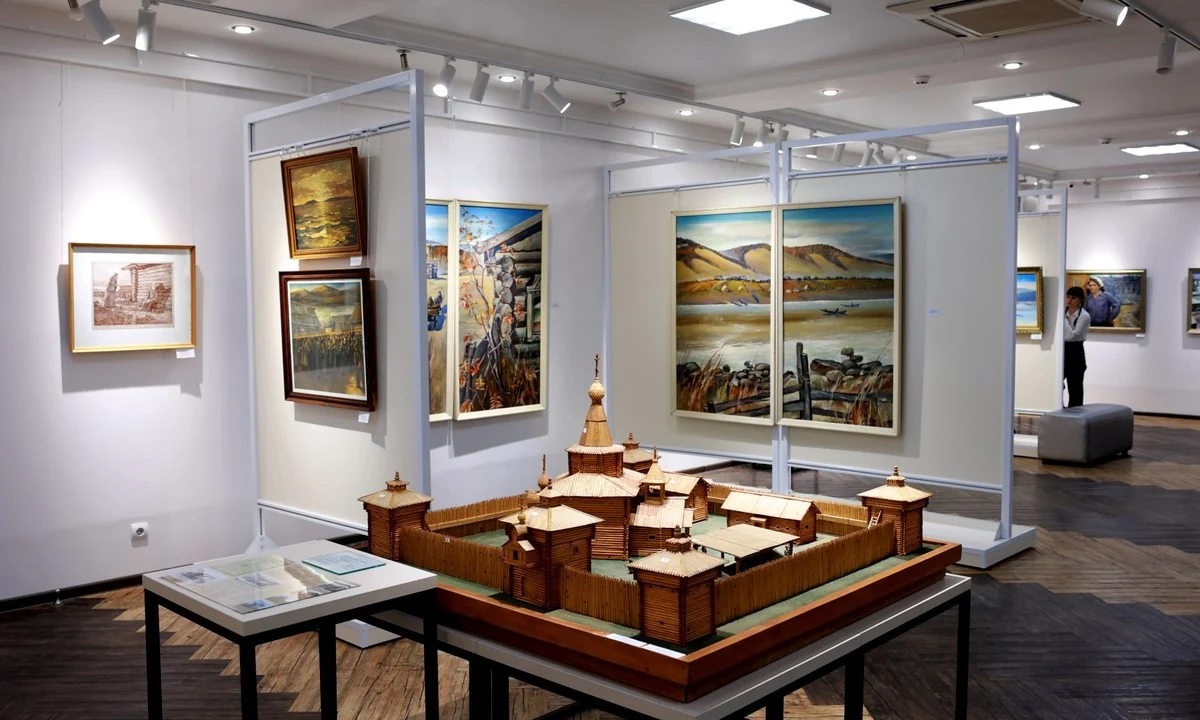
Inside the Art Exhibition Hall: a model of Bratsk Ostrog at the “Bratsk: from fort to city” exhibition. Preview still from BST’s report of 5 December 2025; the exact shooting date is unspecified. This is an exhibition model, not an original seventeenth-century fortification.
≤2025 · дата съёмки не указана / shooting date unspecified

A model fort in the exhibition hall

Inside the Art Exhibition Hall: a model of Bratsk Ostrog at the “Bratsk: from fort to city” exhibition. Preview still from BST’s report of 5 December 2025; the exact shooting date is unspecified. This is an exhibition model, not an original seventeenth-century fortification.

Братская студия телевидения / Bratsk Television Studio · БСТ / BST · 05.12.2025
© БСТ · разрешено с прямой ссылкой на публикацию / Reuse permitted with a direct article link · Original ↗

Sources
02

Industrial collections

3 chapters

Beyond the display cases

The united museum’s holdings include Evenki, western Buryat and Russian Angara ethnography, archaeology, coins, painting, graphics, documents and photographs. Only part can be exhibited at once. Other material is studied, catalogued, preserved and used to prepare new displays.

Researchers need provenance and accompanying information as much as the object itself. A household item, family photograph and institutional record answer different questions. The research library and collections staff support such work; arrange research enquiries in advance. A museum is therefore an infrastructure for preserving urban memory as well as a place to visit.

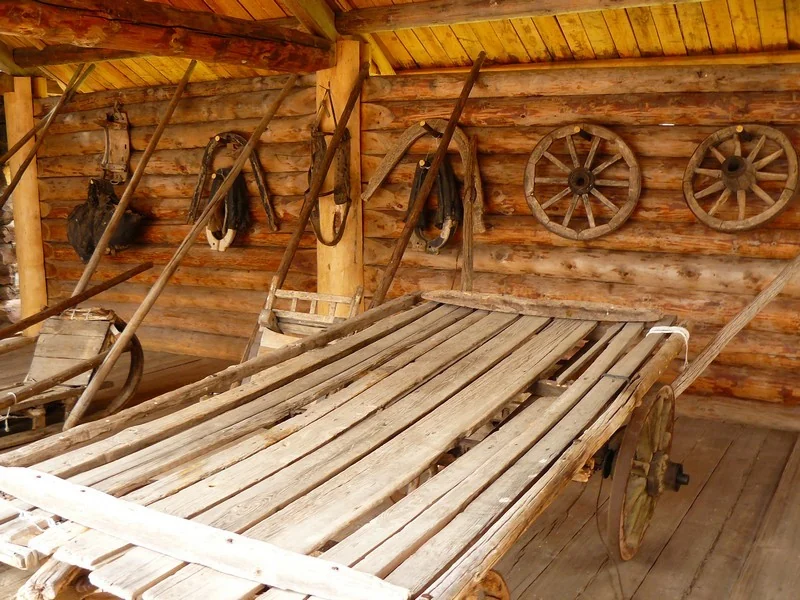
Domestic weaving equipment in a museum interior, showing the work behind the production of cloth.
б/д · undated

A weaving loom

Domestic weaving equipment in a museum interior, showing the work behind the production of cloth.

Фотограф не указан / Photographer not named · Братский городской объединённый музей / Bratsk City Museum
© Bratsk City Museum · официальная музейная публикация / official museum publication · Original ↗

Sources

The Gidroelektromontazh museum

The Bratsk Gidroelektromontazh installation company maintains a museum devoted to its projects and people. A dedicated official website presents photographs, biographies and collection objects. In September 2023 its newspaper reported approximately 400 objects and more than 8,000 photographs; those figures belong to that period.

The archive approaches engineering history through installation teams and the many operations behind a completed structure. Its online collection provides an immediate introduction. Arrange an in-person visit with the company: business hours are not confirmed museum admission hours. This is a separate institution from the municipal Bratskgesstroy museum.

Sources

The museum histories of BrAZ and BLPK

The municipal library’s biography of Vasily Rudykh dates his creation of the aluminium plant museum to 1981. Ilim’s historical album dates the BLPK museum to 1975 and records later relocations. These are documented chapters of industrial memory, involving objects, photographs, biographies and workplace traditions.

Public opening hours were unconfirmed as of October 2026. Contact the companies directly about guided visits.

Sources
03

University and school museums

3 chapters

The BrSU history museum

The university handbook dates the opening of BrSU’s museum to 24 September 2009. It preserves institutional records, awards, commemorative objects and donated books. Its continuing activity is confirmed by a May 2026 exhibition organised with the city’s united museum.

Museum room 3243 is part of the university’s teaching environment. Arrange a visit with BrSU in advance.

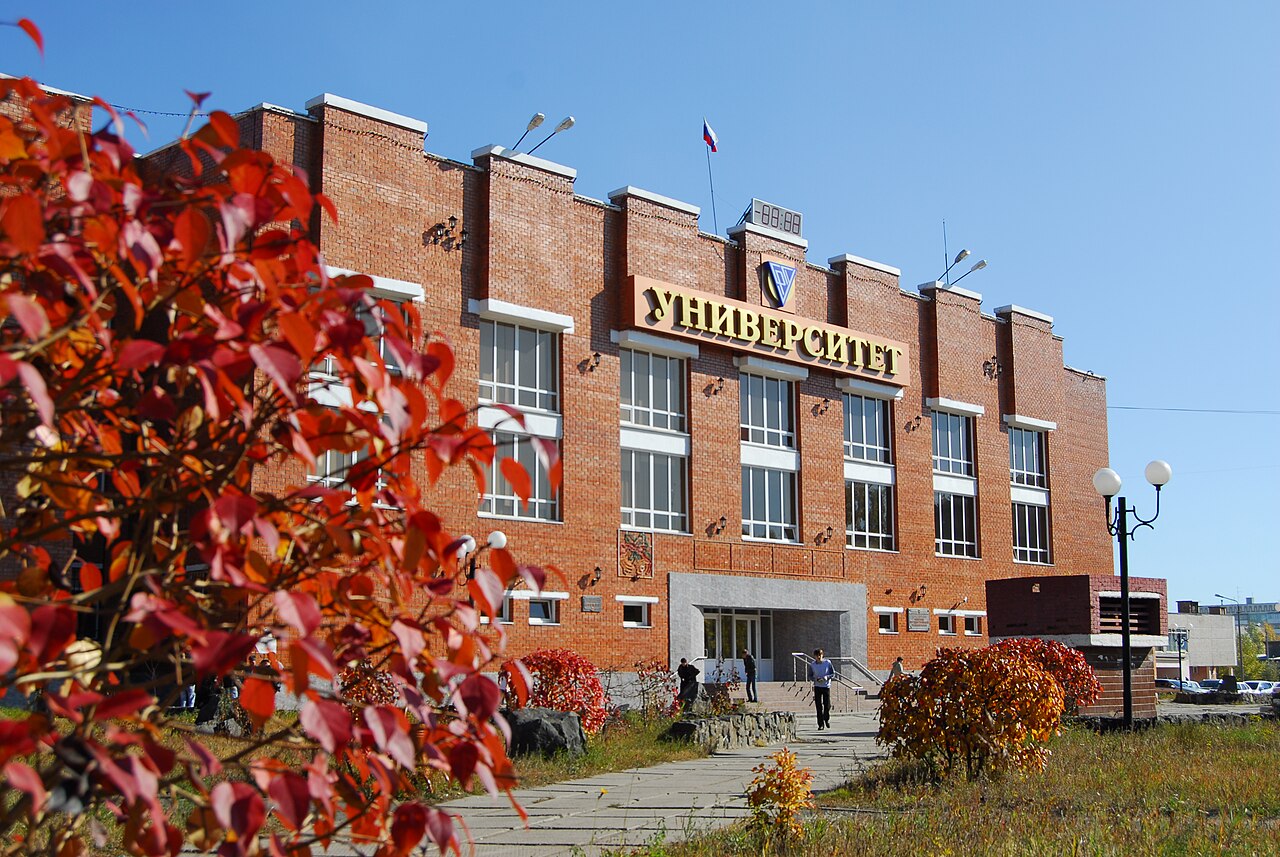
28 September 2010. Building 3 of Bratsk State University in Energetik.
2010

Bratsk State University, Energetik

28 September 2010. Building 3 of Bratsk State University in Energetik.

UgrumovaEV · Wikimedia Commons
CC BY-SA 4.0 · Original ↗

Sources

Garmoniya’s local-history museum

On the Right Bank, the Garmoniya Palace of Children’s and Youth Creativity at 1a Gorkogo Street houses the V. I. Mokrovitsky comprehensive local-history museum. Its educational role matters: museum work involves children, teachers and regional study as well as exhibitions for outside visitors.

The operator reported an exhibition visit during an intermunicipal museum seminar in April 2026. This confirms ongoing activity rather than unrestricted tourist opening hours. Arrange an excursion with the palace. The venue adds a Right Bank destination to the predominantly left-bank geography of the four main municipal sites.

Sources

The Stepan Pogodayev museum at Lyceum No. 1

The Stepan Pogodayev historical and memorial museum belongs to Lyceum No. 1 at 8 Pogodayeva Street. In February 2026 it was reported as placing third in the Siberian Federal District’s Best Urban Museum category of Know in Order to Remember.

The museum forms part of the lyceum’s educational life; visits are arranged with the school administration.

Sources
04

Specialist collections and planning a visit

4 chapters

The Museum of Light

BST’s 2024 city guide described Yuri Bordonsky’s private Museum of Light, established in 2009. Its subject is lighting equipment, from splinter holders and oil lamps to later domestic and designer fixtures. Familiar objects reveal changes in materials, technologies and interiors.

The report gave an address at 44 Proyezd Stroyindustrii. This is a dated reference, not confirmation of the private collection’s current opening arrangements. Check whether the display and visits remain available before travelling. It is included as a documented private project complementing the larger city museums.

Sources

The Serbsky library: books with histories

The Viktor Serbsky Library of Twentieth-Century Russian Poetry is a library and distinctive literary collection worth considering alongside museums. It opened in March 1992 from Serbsky’s personal holdings. The operator highlights inscribed books, rare and miniature editions, memoirs and Siberian literature.

Its current official address is 54 Naymushina Street, Energetik. 49 Primorskaya Street belongs to its earlier location and cultural history. Author inscriptions turn individual books into records of relationships between writers and readers.

Viktor Solomonovich Serbsky. Portrait from the source’s biographical publication; photograph date is not stated.
Дата не указана / Undated

Viktor Solomonovich Serbsky

Viktor Solomonovich Serbsky. Portrait from the source’s biographical publication; photograph date is not stated.

Фотограф не указан / Photographer not stated · «Имена Братска» / Names of Bratsk
Копирование с активной ссылкой на источник; свободная CC-лицензия не заявлена / Reuse with an active source link; no free CC license stated · Original ↗

Sources

Putting together a museum day

For an introduction to the Centre, combine the political-exile museum on Parkovaya with the exhibition hall on Komsomolskaya: their different subjects complement each other. Angarskaya Derevnya suits a separate outdoor visit. Padun and Energetik offer literary and university history, with educational-museum access arranged beforehand.

Garmoniya adds a Right Bank destination. During refurbishment, approach the Bratskgesstroy museum through archives and programmes offered by the united museum rather than assuming admission to its building. Choose a few substantial stops with travel distances in mind, then confirm exhibitions and tickets through the operators.

Sources

Programmes, seasons and arranged visits

Outdoor museums, exhibition halls and educational collections operate differently. Angarskaya Derevnya publishes seasonal changes: its notice of 18 October 2026 schedules winter opening arrangements from 5 November. Check ticket-office hours, holiday changes and the availability of a particular programme as well as opening times.

Corporate and school museums may require an arranged visit. Groups can explain participants’ ages and interests in advance and ask about access needs.

Sources

Useful links

United museum official website ↗Museum and exhibition programme ↗Municipal venue contacts ↗Angarskaya Derevnya: the full article ↗Bratsk’s forts ↗Bratsk State University ↗Lyceum No. 1 ↗Gidroelektromontazh museum online ↗The Serbsky library ↗Bratsk Aluminium Smelter ↗Bratsk timber complex ↗Bratsk-ART: history, stage and people ↗DK Energetik and the Palace of Arts ↗
Sources and dates

Checked on 20 October 2026. The Bratskgesstroy museum is undergoing major refurbishment. Contact operators about access to school, university, corporate and private collections. The Serbsky Library is a separate literary collection.